

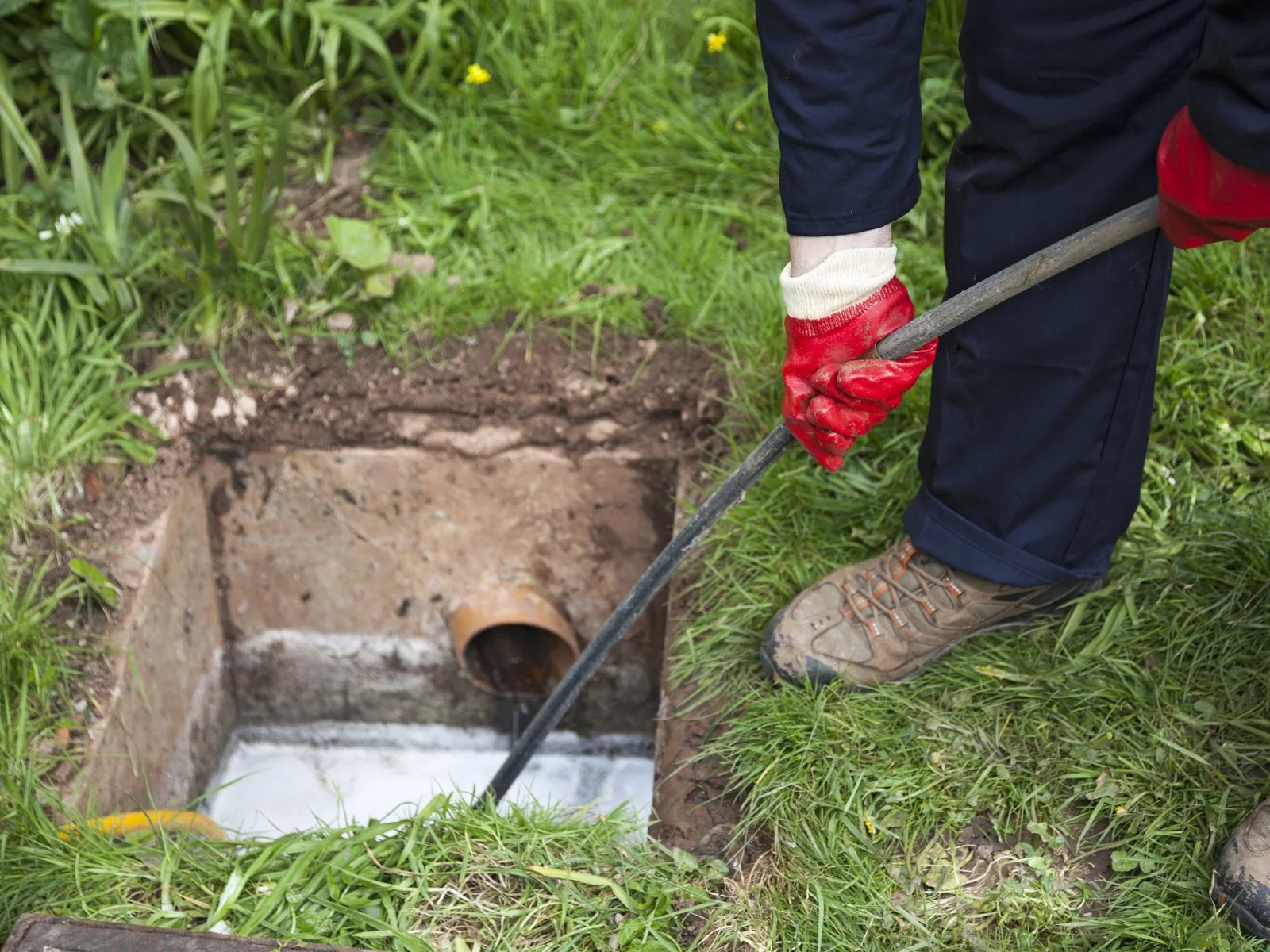
Drain Cleaning
Slow, gurgling or backed-up drains in kitchens, bathrooms and basements.
Water creeping in at the walls, rising through the floor drain or spilling from the sump pit. Each one has a different cause and a different fix. We find the source, stop it and give you a flat price first. From our office on West Goodale Boulevard, open 24/7.
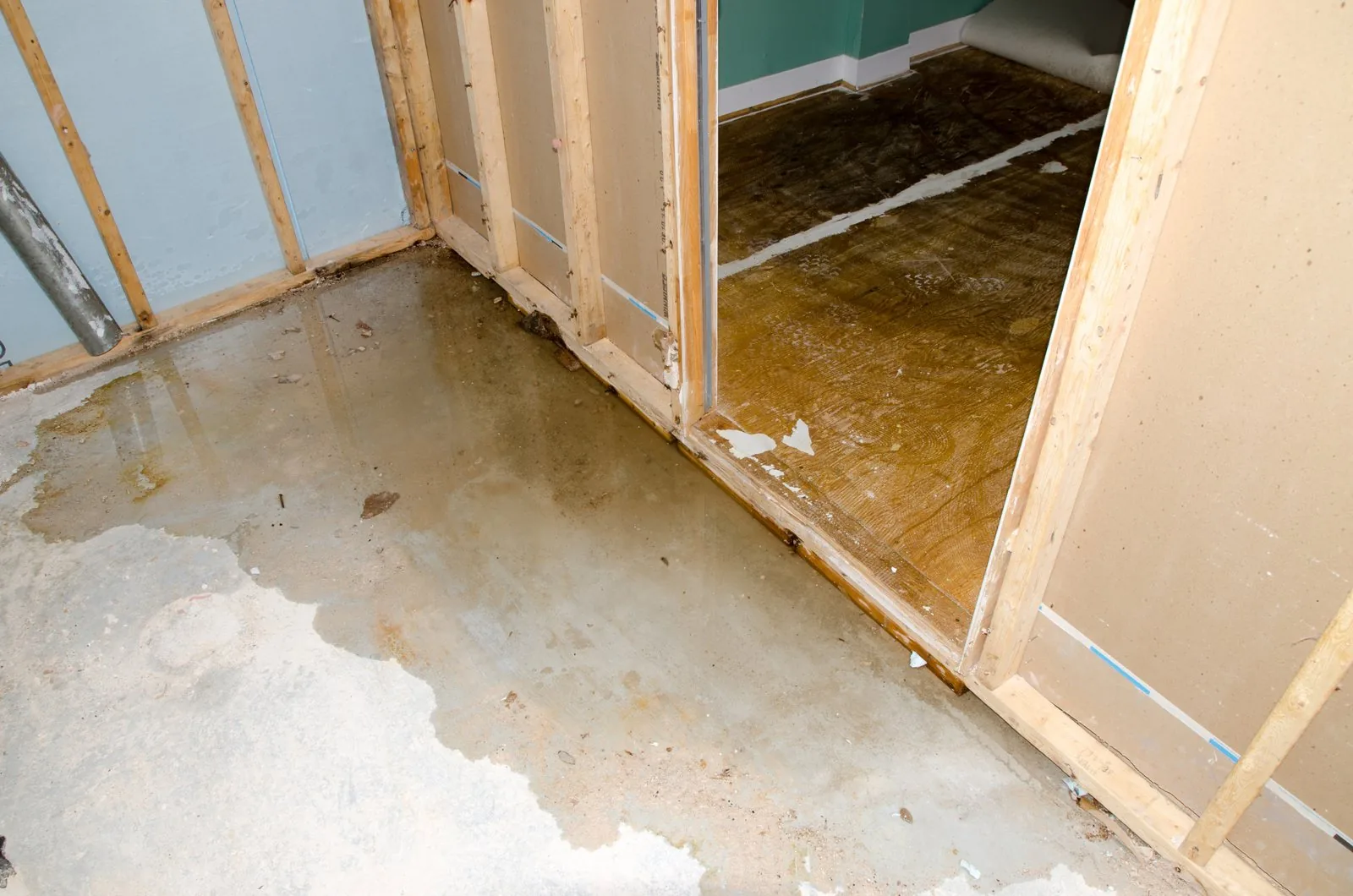
Where the water shows up points to the cause:
Sewer water rising from the floor drain is a sewer-side problem: a blocked lateral, a cracked pipe or an overloaded sewer in a storm.
Water where the wall meets the floor is groundwater. In clay soil, it sits against the foundation and pushes in.
An overflowing pit means the pump failed, lost power or can't keep up.
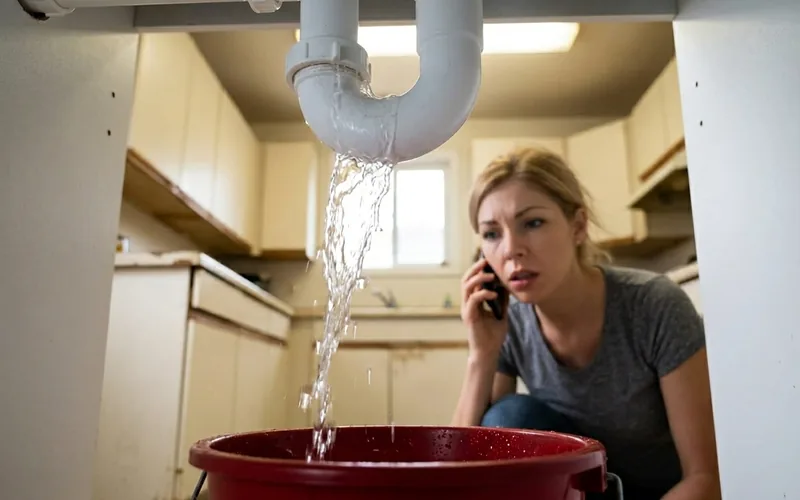
Water dripping from the ceiling or a wall is a plumbing leak or a burst pipe. Shut off the main.
Columbus basements face two kinds of water, and the fix depends on which one you have.
Downtown, Victorian Village and German Village have combined sewers, so heavy rain and sewage share the same pipe. When it fills, water can back up through basement drains.
Across the rest of the city, rainwater gets into cracked laterals and leaky joints. The lateral is the homeowner's responsibility in Columbus, so a camera check is the first step.
The city treats yard grading and drainage as the property owner's responsibility. Water that pools against the house usually ends up in the basement. A clear catch basin or yard drain helps.
Waterproofing is the right fix when groundwater is coming through the foundation, not up through a drain. Look for damp walls, water along the joint where the wall meets the floor, white chalky deposits and puddles after rain with no drain backing up.
In Central Ohio clay, interior drainage paired with a sump pump is the usual answer: the drain tile collects the water and the pump sends it outside. Before recommending anything, we confirm the water isn't a leak or a sewer backup, so you don't pay to fix the wrong problem.
Groundwater, a sewer backup and a plumbing leak need three different fixes. We diagnose first.
A flooding basement doesn't wait for business hours, and our line is open 24/7.
We trace the water to where it's coming in, including a camera look at the lateral when it's sewer water.
You get every option explained and a flat rate before work starts.
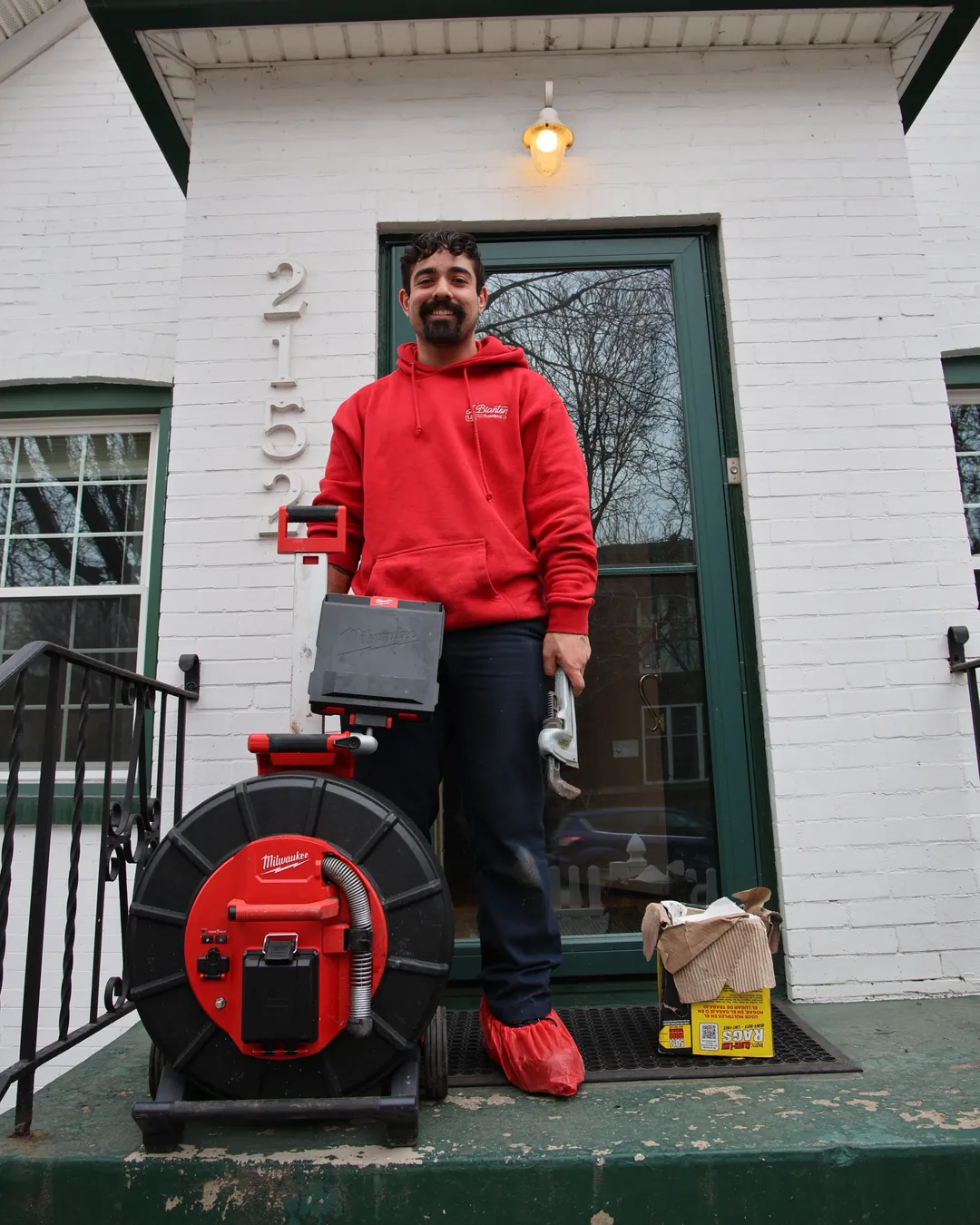
4.7 stars from 5,669+ Google reviews across all J. Blanton locations.
"Called them out on a Saturday morning after our sump pump died and we were panicking about the basement flooding here in German Village, and J. Blanton Plumbing had someone out same-day to replace it. The tech was clean, careful with our floors, and explained everything before starting the work - couldn't ask for better service."
"Welhem and Josh have been so kind with my flooded crawl space and sump pump replacement process. It’s my first time owning a home and while these things can be stressful, they have been wonderful about getting things resolved as quickly as possible."
"I had water backing up in the basement on a Sunday. I called them and he came an hour later. John figured out the problem quickly-ejector pump, and what to do if it happens again. I did get an estimate for a new one if it needs replacing."
A plumber first, to stop the source. Restoration comes after.
A plumber first. If water is still coming in, cleanup won't hold. We find the source and stop it, then a restoration company can dry and clean the space.
Either the soil is saturated and groundwater is pushing in, or the sewer is overloaded.
In heavy rain, clay soil around the foundation saturates and groundwater pushes in at the walls and floor. At the same time, sewers fill up, especially in combined sewer neighborhoods, and water can come up through the floor drain. We'll tell you which one is happening in your basement.
A sump pump removes groundwater. An ejector pump moves wastewater from basement fixtures up to the sewer.
A sump pump removes groundwater. It sits in a pit at the lowest point of the basement and pumps water out of the house. An ejector pump moves wastewater from fixtures below the main sewer line, like a basement bathroom or laundry room, up to the main sewer level.
Often not for groundwater or sewer backup. Check your policy. We document the cause for your claim.
Standard homeowners insurance typically does not cover flooding caused by groundwater, sewer backup or heavy rain. Those events usually require separate flood insurance or a sewer backup rider. If the flooding is caused by a sudden plumbing failure, like a burst pipe, your standard policy may cover it. Check your policy or contact your insurer to confirm. Our technician will document the cause, which may support your claim.
It depends on the cause and the fix. You get a flat price first.
It depends on what's causing the water and what fixes it. A new sump pump is a different job than a lateral repair or an overhead sewer. We give you a flat-rate price before any work starts.
Annual Protection Plan
Most plumbing problems start small. The No Drip Club brings a J. Blanton plumber to your home for regular maintenance, so small issues get caught before they turn into big repairs.

Slow, gurgling or backed-up drains in kitchens, bathrooms and basements.
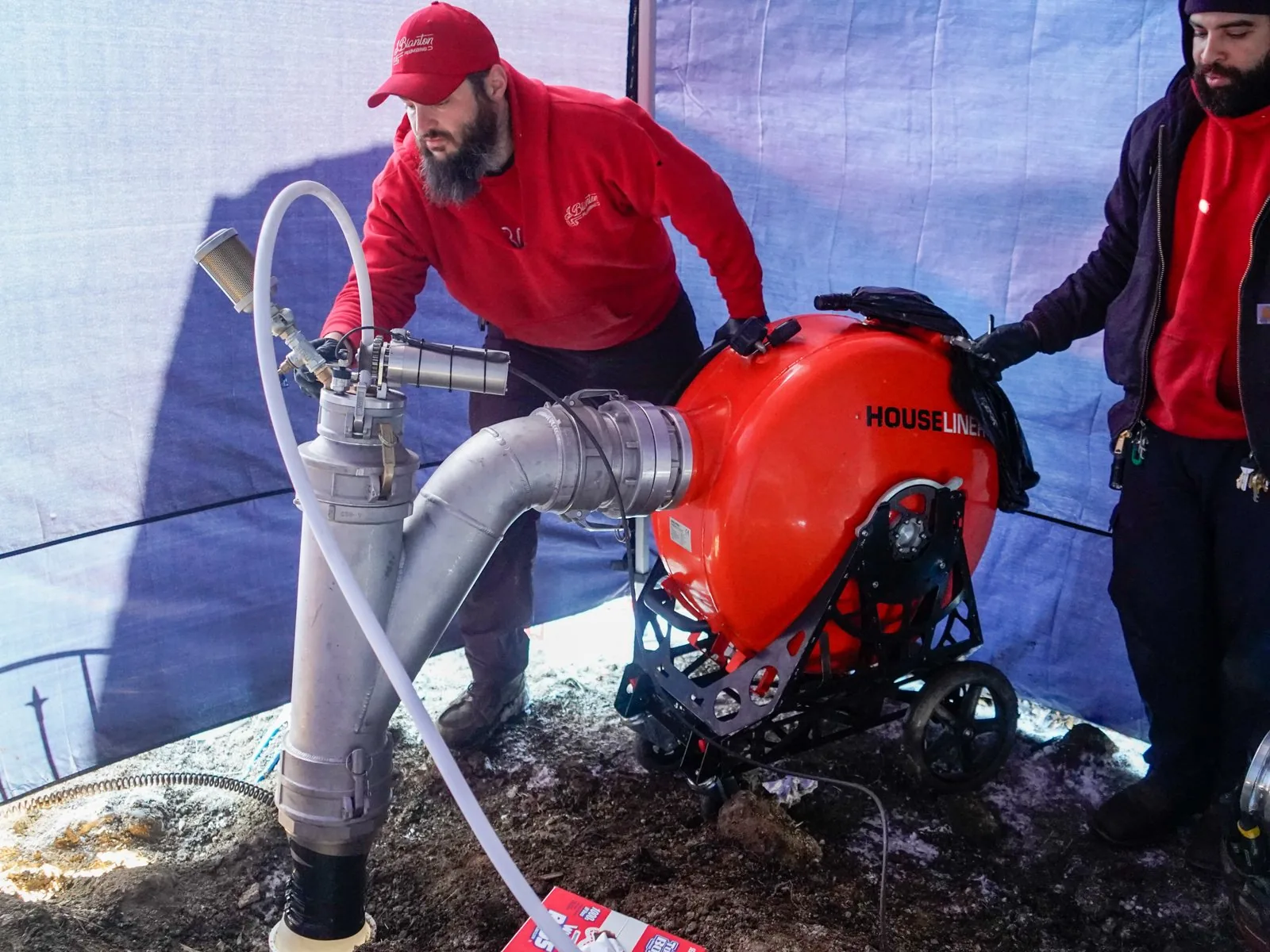
Tree roots, cracked clay pipe and repeat backups in the line from your house to the street.
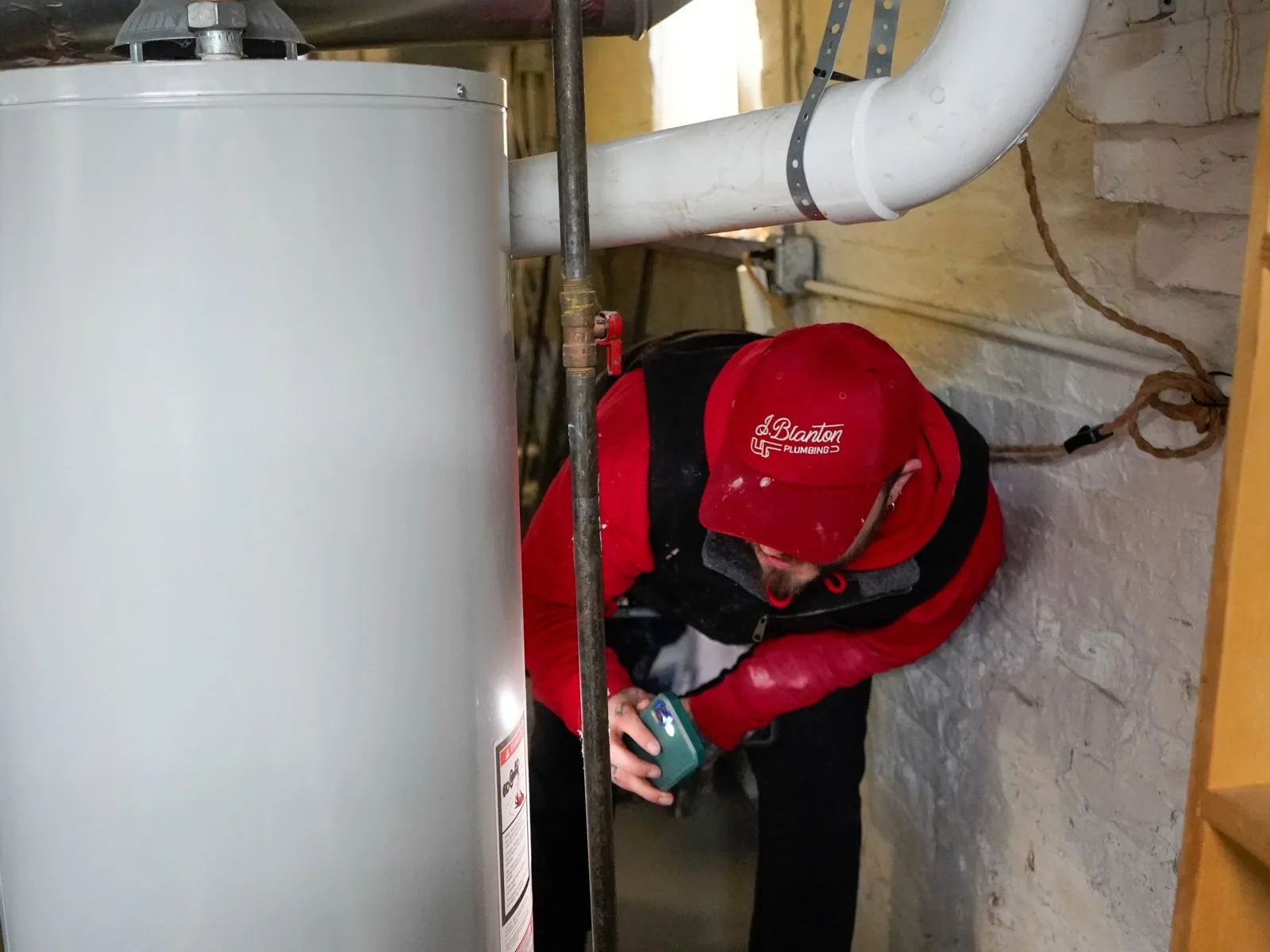
Repair and replacement for tank and tankless water heaters that leak, make noise or run out of hot water too fast.
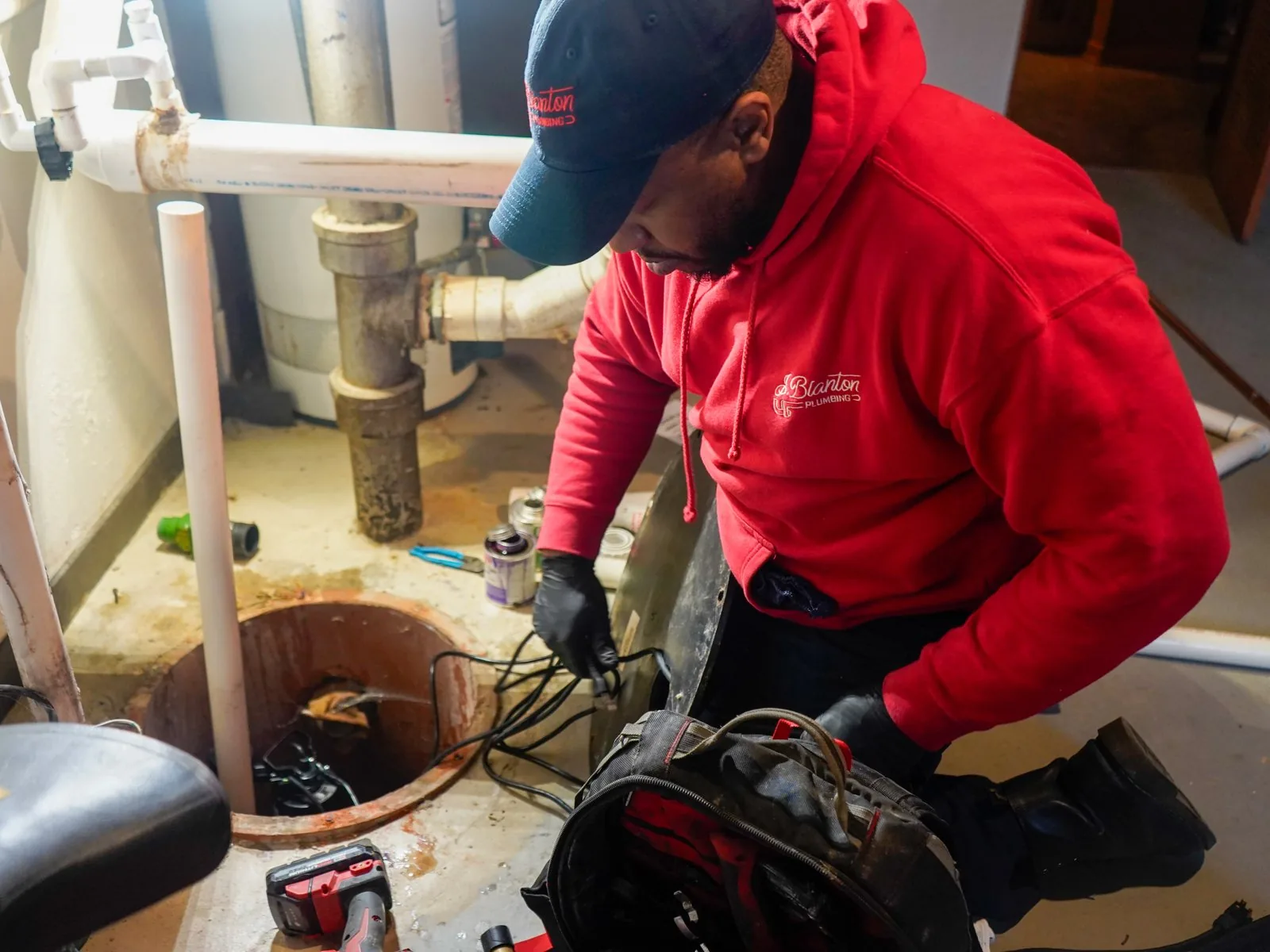
Sump pump repair, replacement and battery backups to keep your basement dry through heavy rain.
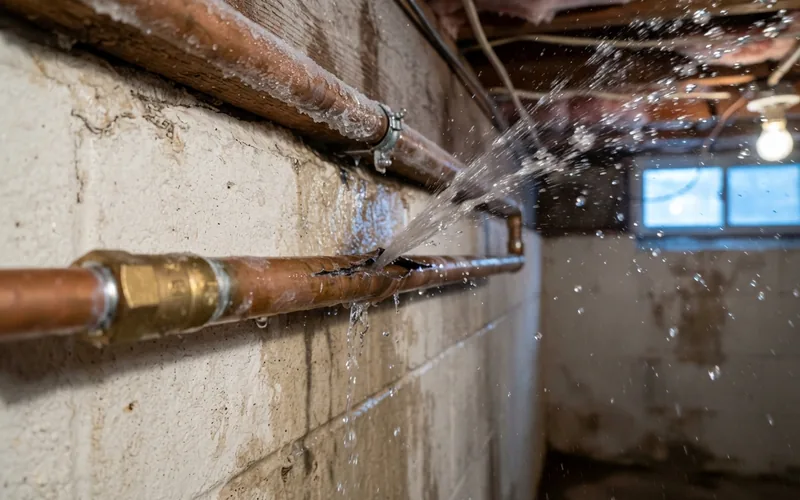
Repair for pipes that froze or burst, from basement water lines to outdoor spigots.
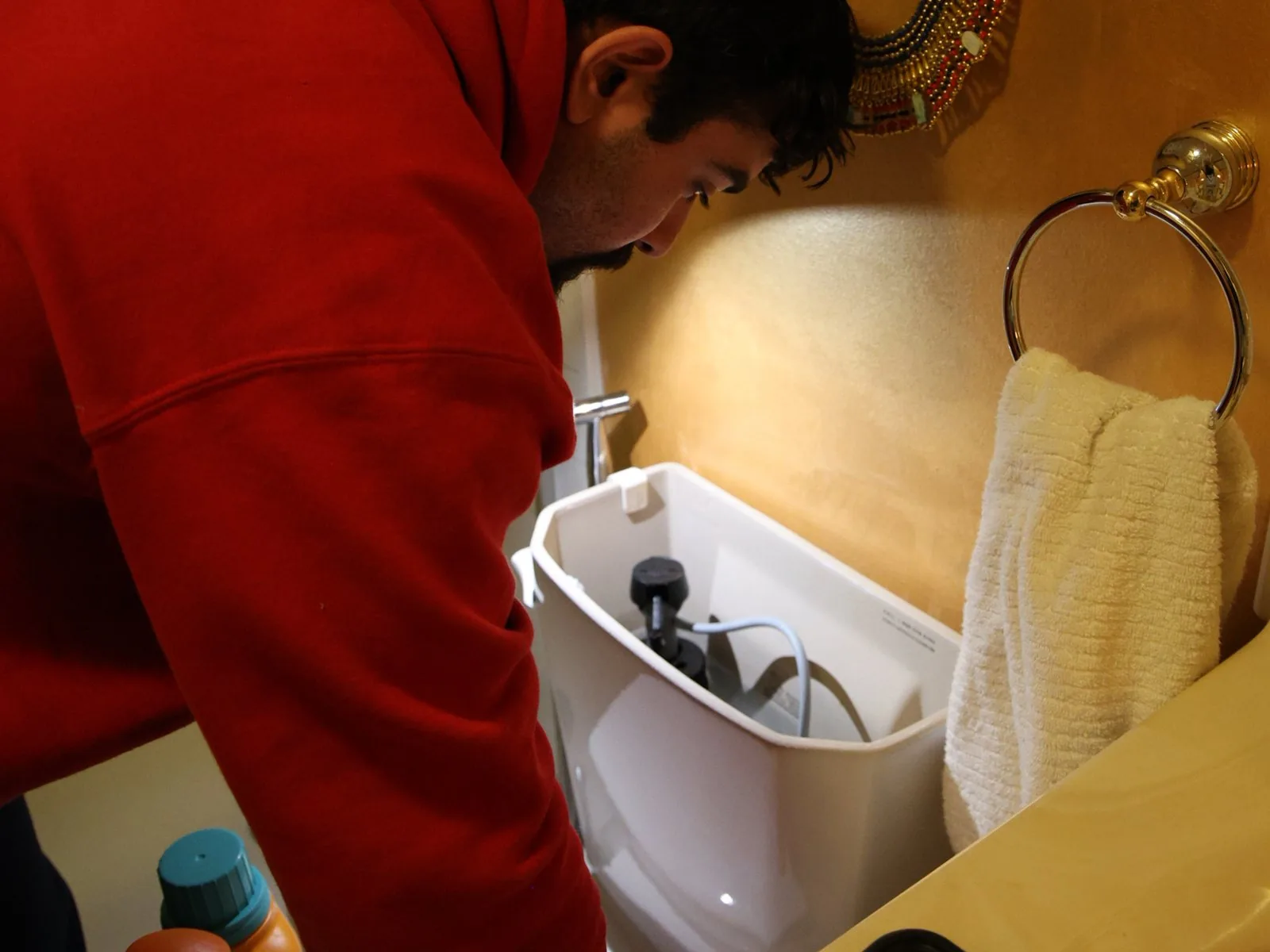
Running toilets, leaky faucets and new fixture installs for kitchens and bathrooms.
Burst pipes, sewer backups and no hot water, any time of day or night.
Our Columbus office is at 1387 W. Goodale Blvd, and our phone line is open 24/7.
We also serve Grandview Heights, Upper Arlington, Clintonville, Victorian Village, German Village, Bexley, Hilliard, Dublin and more.