
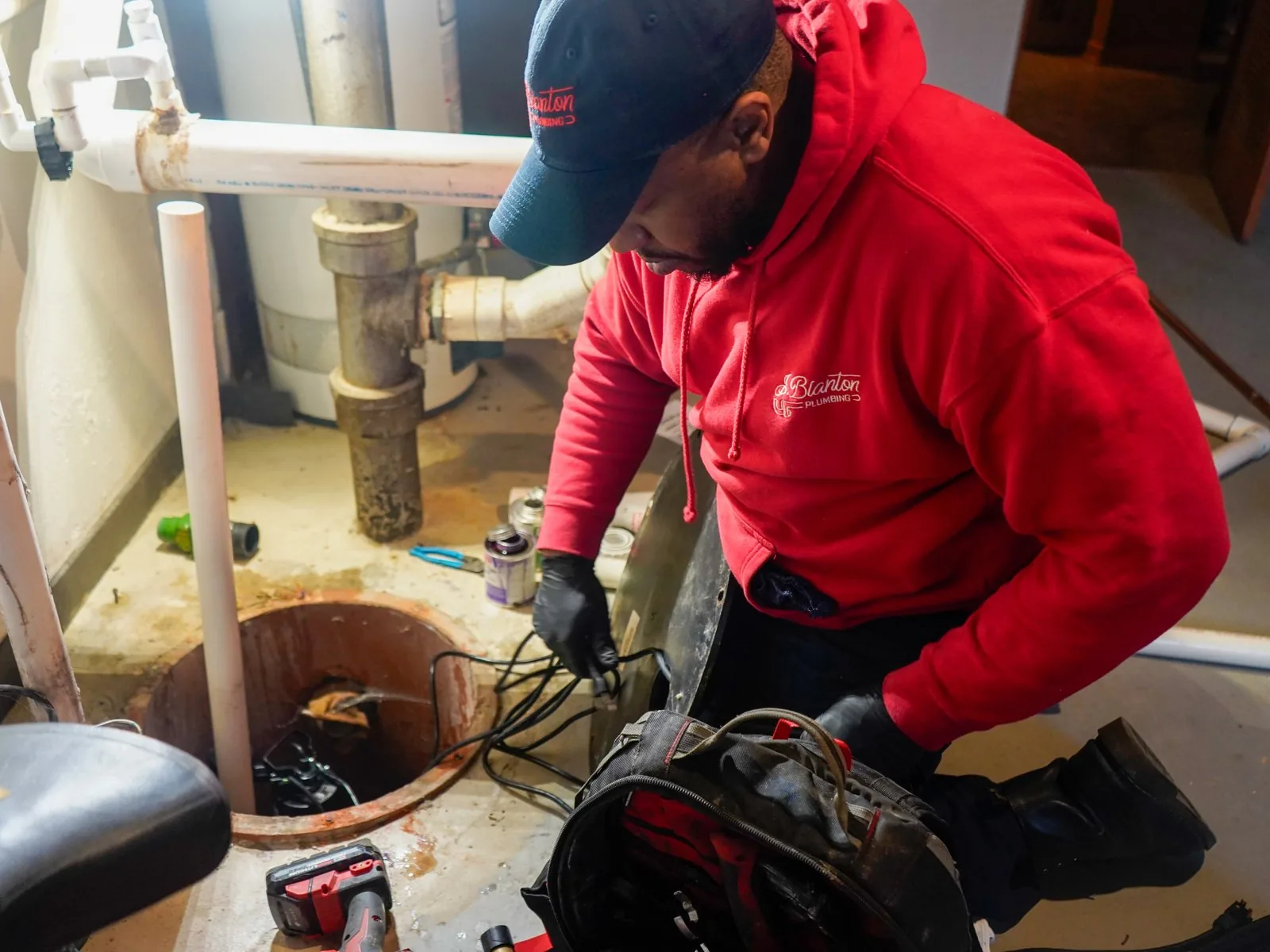
Sump Pumps
Sump pump repair, replacement and battery backups to keep your basement dry through heavy rain and snowmelt.
A kitchen sink full of standing water, a tub that drains slower every week or a basement floor drain that gurgles when the washer runs. We clear it, tell you what caused it and give you a flat price before we start. From our office on East Central Road, 24/7.
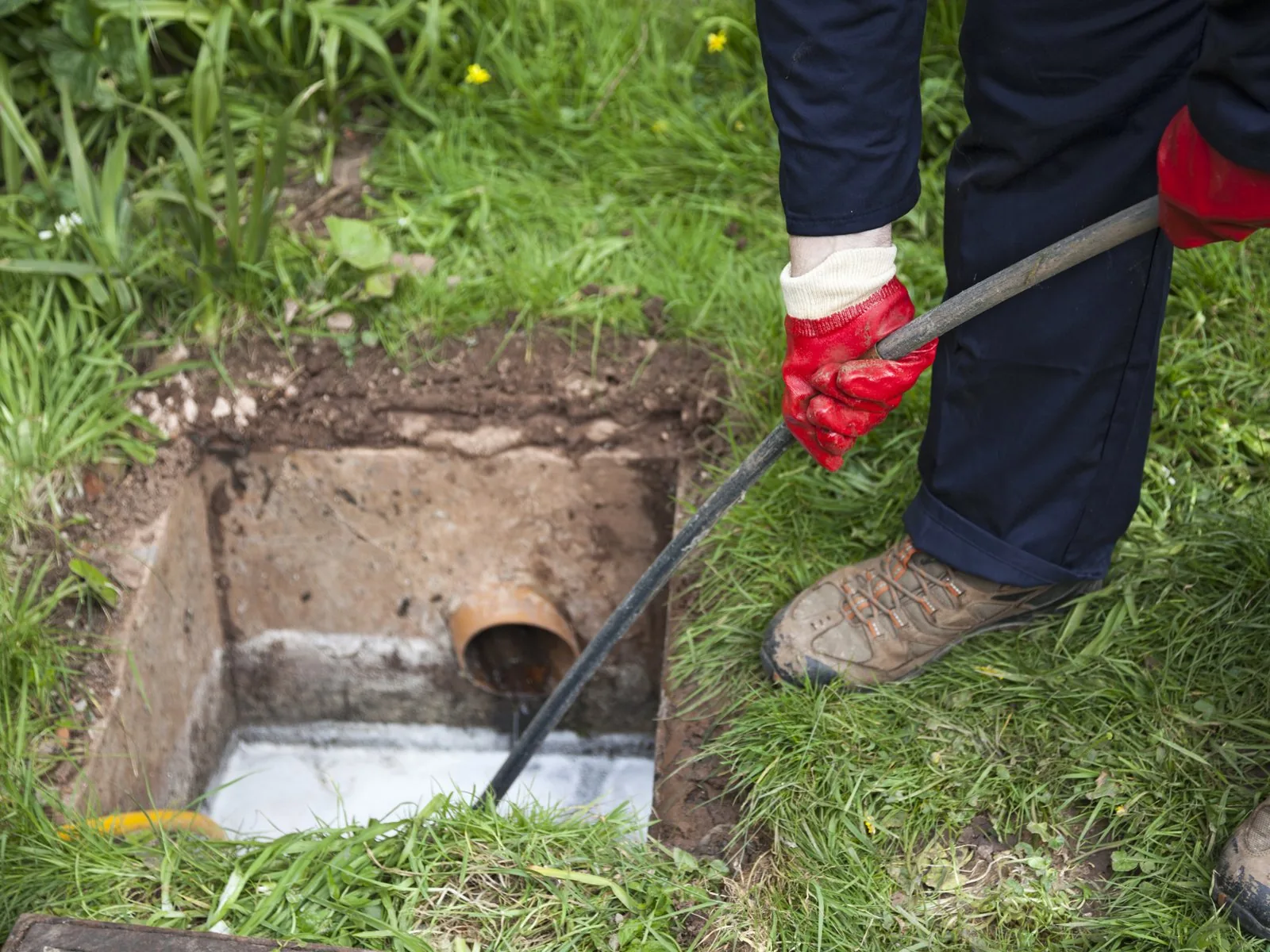
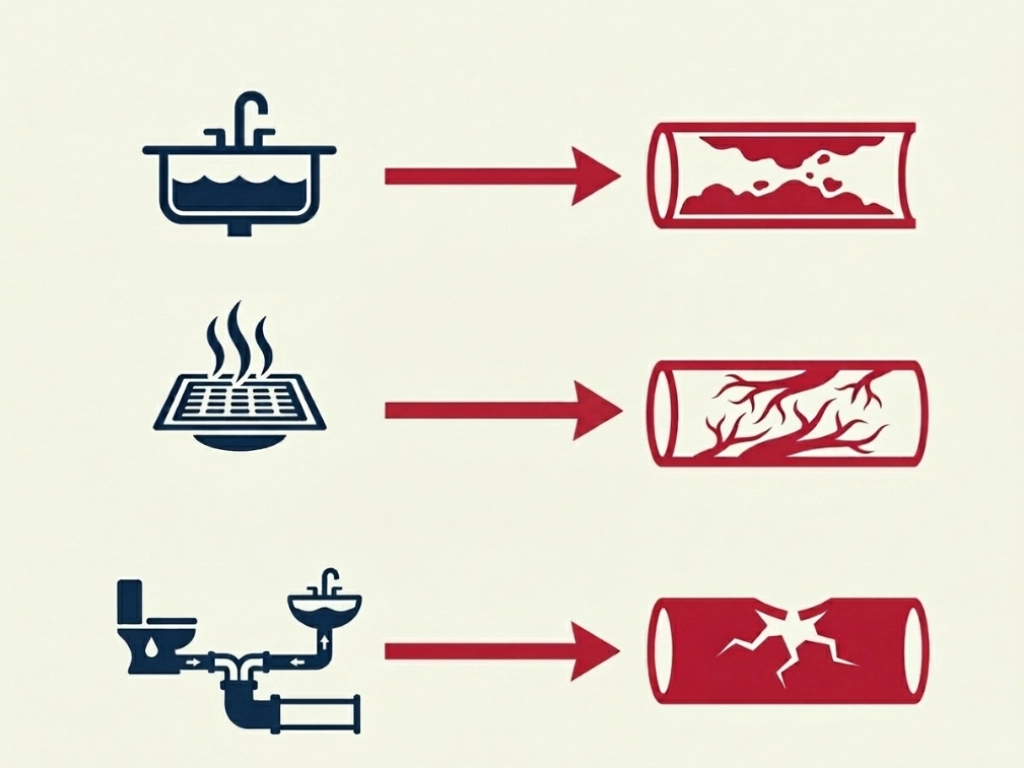
Call when a plunger doesn't clear it, when the same drain clogs again within a few weeks or when you smell sewer gas from a drain. Pay attention to where it's happening. One slow sink is usually a local clog. If the floor drain backs up when the washer drains, or the tub gurgles when you flush, the main line is involved, and that's a job for sewer rodding.
Most household clogs are made of everyday things: hair and soap in the bathroom, grease and food scraps in the kitchen, lint in the laundry line. We clear them with a cable sized to the pipe and show you what came out.
In Arlington Heights homes built from the 1940s through the 1960s, the drains are often galvanized steel or cast iron. Both get rough inside with age, and rough pipe catches debris faster. If the same drain keeps clogging, a camera look tells us whether the pipe needs hydro jetting or a repair.
Grease is the main reason kitchen sinks clog. It goes down warm, cools in the pipe and sticks to the walls, and food scraps and soap get caught in it until the water stops moving.
If the other side of a double sink fills up or the dishwasher drains into the sink, the clog is past the trap. We clear the line all the way to the stack and check the trap and arm for leaks. If the disposal is part of the problem, see garbage disposal repair.
About 3 in 4 homes in Arlington Heights were built between 1940 and 1989. Age and pipe material play a big role in how drains clog here.
Some postwar homes still have galvanized steel drain lines under sinks and in walls. They rust and close up from the inside, so clogs come back faster.
Years of laundry lint settle in the floor drain and the line below it. When the washer empties, the water has nowhere to go but up.
If several drains slow down together, roots in the clay lateral are a likely cause. That's sewer drain clearing.
When every drain slows down at once or water comes up through the basement floor drain, the clog is in the main sewer drain. Clearing it takes a machine that can run the full line from the cleanout to the city main.
We clear the line, then camera it so you can see the cause. In Arlington Heights, the most common causes are roots at clay joints and scale in old cast iron. Repeat clogs get a plan: sewer rodding once a year, hydro jetting or a sewer repair.
Our plumbers are licensed in Illinois and carry the tools to clear most drains in one visit.
Nights, weekends and holidays, a person answers and sends a plumber.
You know the cost before we pick up a tool.
We tell you why it clogged and how to keep it from coming back.
4.7 stars from 5,669+ Google reviews across all J. Blanton locations.
"Ray was awesome! My kitchen sink was backed up and he took care of things courteously, neatly and thoroughly. Ray explained the mechanics of why my issue may have happened and how to prevent it from happening again. I recommend Ray and JVS to anyone looking for a plumber!"
"My plumber from now on! J Blanton was so easy and pleasant to schedule. Stephen W. arrived on time, super professional and kind. He was very clean and a great communicator. He new everything. I’ll call them again if I have an issue."
"J Blanton came in in short notice to complete a job that needed to be done right away. The technician was thorough, answered all of my questions, and recommended some preventative steps we could take going forward. Job well done!"
Probably not. One slow fixture is usually a local clog.
Probably not. If only one sink, tub or toilet is slow and everything else drains fine, the clog is usually in that fixture's line. If several drains or the floor drain are involved, it's the main line.
We don't recommend them, especially on old galvanized or cast iron.
We don't recommend them. Harsh chemicals can damage older galvanized and cast iron pipes and rarely clear the whole clog. A cable or jetting removes it without hurting the pipe.
Grease buildup in the line. Clearing the whole pipe keeps it from coming back.
Usually grease. It builds up in layers along the pipe, so a plunger or a quick snake only opens a small path. Cleaning the full line, and keeping grease out of the sink, stops the cycle.
When plunging fails, the clog keeps coming back or several drains are slow.
When a plunger doesn't clear it, the clog keeps coming back or more than one drain is slow at the same time. Those signs mean the problem is past what a store-bought fix can handle.
It depends on where the clog is and what caused it. You get a flat price first.
It depends on where the clog is, how far down the line and what's causing it. A bathroom sink is a different job than a main line. You get a flat price before any work begins.
Annual Protection Plan
Most plumbing problems start small. The No Drip Club brings a J. Blanton plumber to your home for regular maintenance, so small issues get caught before they turn into big repairs.

Sump pump repair, replacement and battery backups to keep your basement dry through heavy rain and snowmelt.
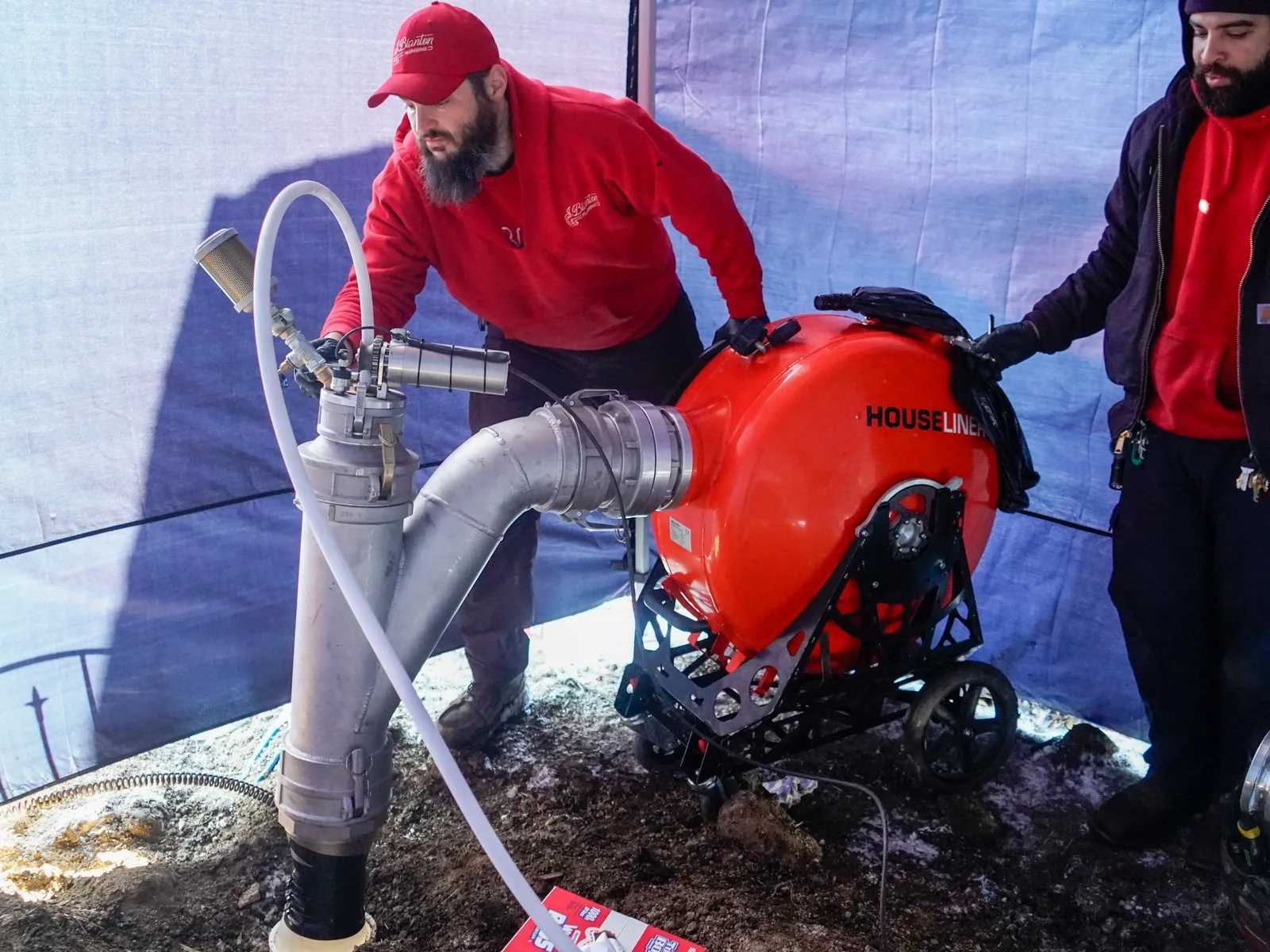
Tree roots, cracked clay pipe and repeat backups in the line from your house to the street.
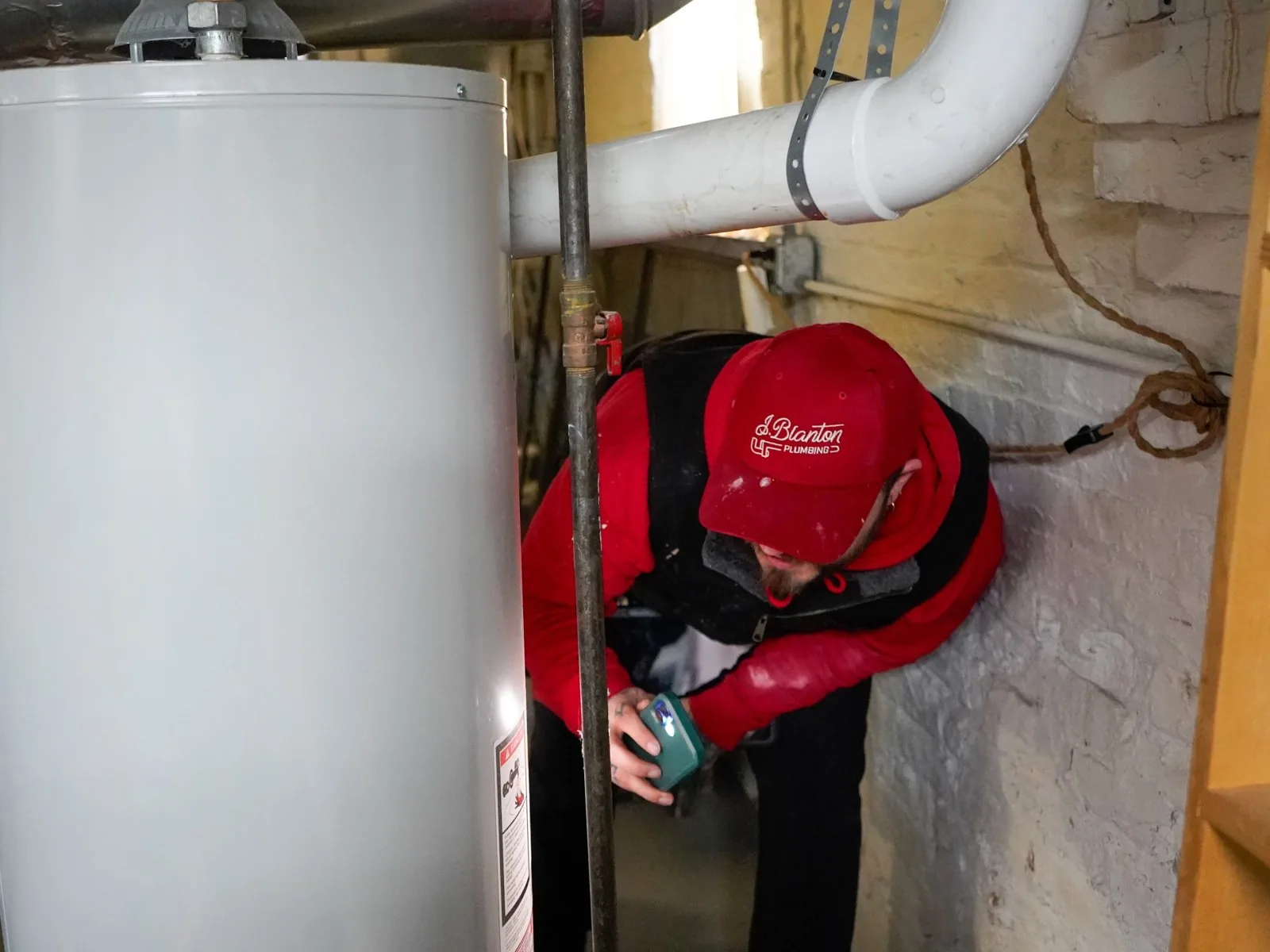
Repair and replacement for tank and tankless water heaters that leak, make noise or run out of hot water too fast.
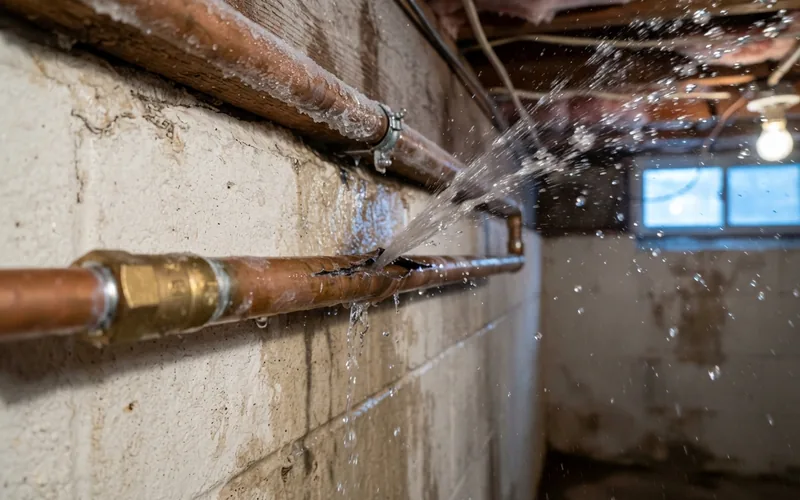
Repair for pipes that froze or burst, from basement water lines to outdoor spigots.
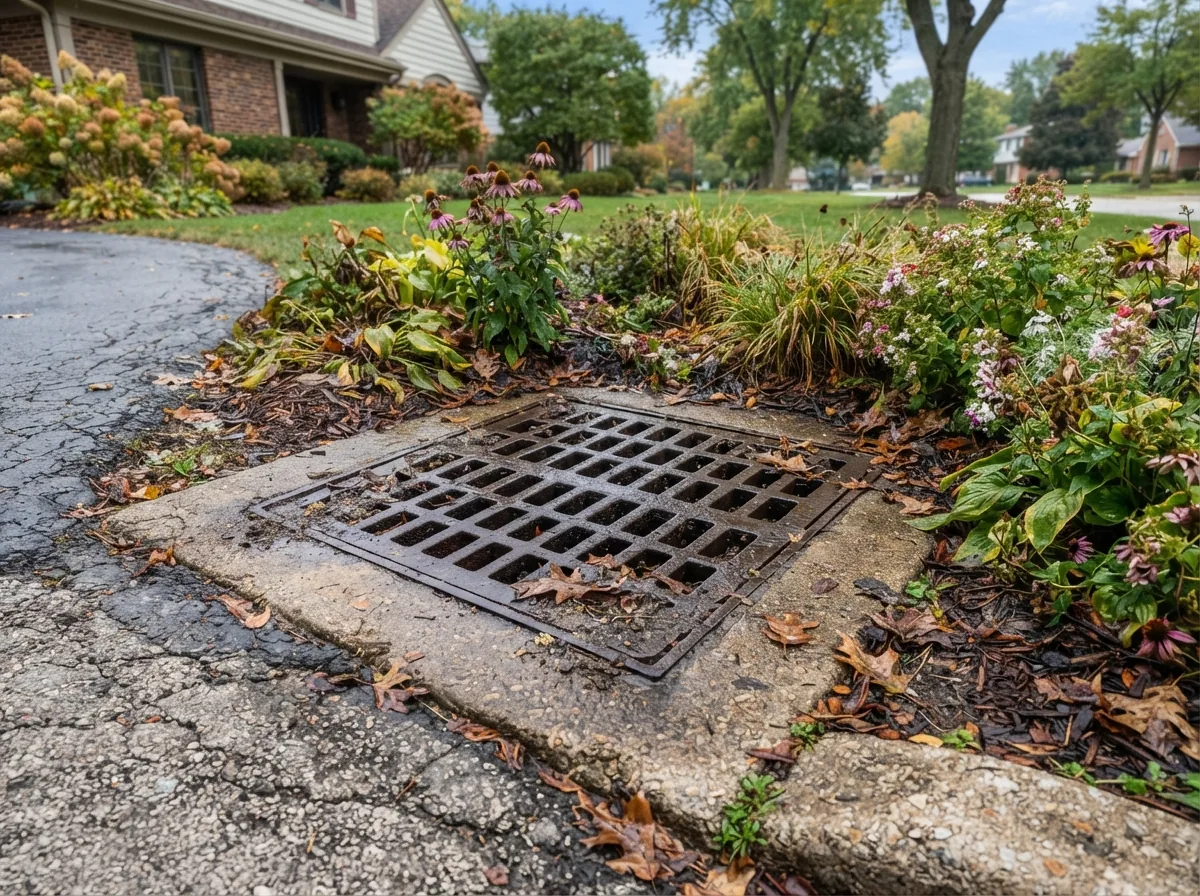
Cleaning and repair for yard and driveway catch basins that back up and flood when it rains.
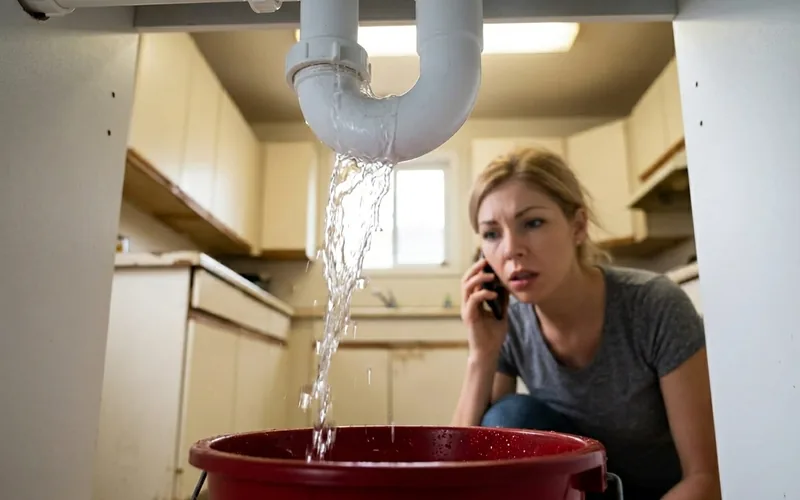
Burst pipes, sewer backups and no hot water, any time of day or night.
Our Arlington Heights office is at 1204 E. Central Road, Suite 3, and our phone line is open 24/7.
We also serve Mount Prospect, Rolling Meadows, Palatine, Buffalo Grove, Des Plaines, Schaumburg and more.