
Sewer Repair
Tree roots, cracked clay pipe and repeat backups in the line from your house to the street.
If your floor drain backs up every time a big storm rolls through Northbrook, an overhead sewer system lifts basement wastewater above the level where backups happen. We design and install conversions from our headquarters on Techny Road.
Some homes back up once in a decade. Others back up every big storm. Here's how to tell which group you're in, from mild to severe:
Water rises around the floor drain during a downpour and drains away by morning. It's easy to ignore, and it's usually the first sign your connection can't keep up.
The camera shows no roots and no damage, yet the basement takes on water every heavy storm. That points to the connection itself, not a clog.
Carpet, drywall and furniture ruined by sewer water once is enough. Another temporary fix isn't worth round two.
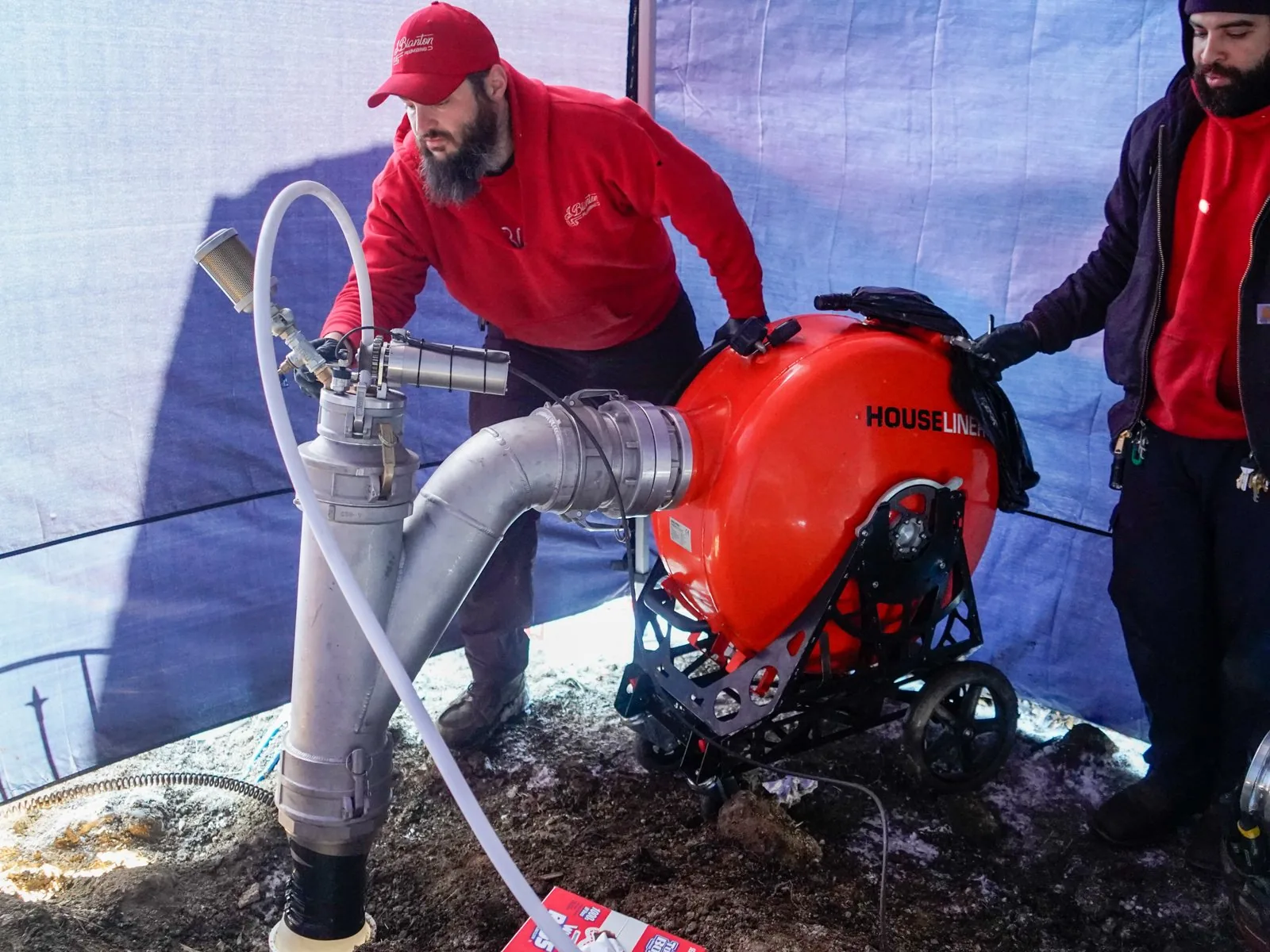
Every drain below the street sewer's flow line, like your floor drain, a basement bathroom, or a laundry line, normally relies on gravity to reach the sewer. An overhead sewer system reroutes those drains into a sump pit instead. An ejector pump lifts that wastewater up to a line above flood level, where a check valve keeps it from flowing back down. From there, gravity carries it the rest of the way to the street sewer, the same as every drain upstairs.
Northbrook has a long flood history, and many of its homes were built with basements that drain by gravity alone.
The September 2008 floods and the April and June 2013 storms put water into Northbrook basements, and 2018 brought flooded streets and underpasses. If your floor drain backed up during any of them, the next big storm will likely do the same.
If your lower level is finished, with carpet, a bathroom or a bedroom, a single backup can cost more than the conversion that would have stopped it.
We reroute the basement drains to a sealed pit. An ejector pump lifts the wastewater up through the foundation wall, where it flows to the street by gravity. If the sewer backs up, the water has nowhere to go but back down its own pipe.
Drain tile and downspouts should never be tied into the sanitary sewer. We check for those connections during the assessment, because they add storm water to the line you're trying to protect.
A sump pump, a backwater valve, and an overhead sewer system each solve a different basement water problem, and only one of them fixes a sewer connection that's reached its limit.
| Sump Pump | Backwater Valve | Overhead Sewer System | |
|---|---|---|---|
| What It Solves | Groundwater seeping in through the foundation or under the slab. | Sewage flowing backward into the house through the drain line. | A sewer connection that backs up because it sits too low relative to the street sewer. |
| How It Works | Collects groundwater in a pit and pumps it outside, away from the house. | A flap in the line closes automatically when flow reverses, blocking sewage from coming back in. | Reroutes the low drains into a sump pit, then an ejector pump lifts that wastewater above flood level. |
| When It's Enough | When the problem is groundwater, not sewage. | When your plumbing sits high enough above the street sewer for a passive valve to do the job. | When a passive valve isn't enough and only raising the connection solves it for good. |
We answer calls 24/7. Once you schedule an assessment, we start with your basement and your line, not a sales pitch.
We check the sewer line before recommending a conversion, so you're not paying to fix the wrong problem.
We plan the pit, the pump and the new piping around your finished space and walk you through it.
You get a flat rate before any work starts, and every system is tested before we call it done.
4.7 stars from 5,669+ Google reviews across all J. Blanton locations.
"Thank you to Scott and Payton for coming by and helping us out. They identified a sewer pipe problem that was worse than what we were expecting, they provided a solution to the problem that will help in the long run and we have confidence that the solution will solve the problem and that we will not have to worry about it in the future"
"Scott was so helpful and easy to work with! He was so patient and thorough in explaining our options! And Walter loved him!"
"Mike P was super helpful and great at explaining the options we have for our sewer line."
It stops sewage from backing up through basement drains. Groundwater needs a sump pump.
It stops sewer water from coming up through your basement drains, which is the most common storm problem we see. It won't stop groundwater seeping through the foundation. That's a sump pump job. We'll help you figure out which one you're dealing with.
A valve can work if your plumbing sits high enough. Repeat backups usually call for an overhead system.
It depends on how your plumbing sits relative to the street sewer. A backflow valve can protect some homes, but if you've had repeat backups or you have a basement bathroom, an overhead system is the more complete fix. We'll look at your setup and recommend one.
Start with how often it happens. A backup that returns after rodding is a strong sign.
Start with how often it happens and how bad it's gotten. An occasional backup at the floor drain during heavy rain is an early sign. If you've had the line rodded and the backup keeps coming back, that's a sign the connection itself can't keep up. If it's already caused real damage, that's the clearest sign of all.
Most installations take 2 to 5 days, depending on your home's layout.
Most overhead sewer installations take 2 to 5 days, depending on your home's layout and how the connection needs to be routed.
Cost depends on your home's layout and depth. You get a flat rate before any work begins.
Cost depends on a few things specific to your home: how deep the connection needs to go, your home's layout, whether an ejector pit is already in place or needs to be added, and how easy the work area is to access. We'll walk through all of that with you and give you a flat rate before any work begins.
Annual Protection Plan
Prevent catastrophes before they disrupt your life. The No Drip Club ensures your waste and sewer lines are monitored and serviced regularly by J. Blanton’s absolute best.

Tree roots, cracked clay pipe and repeat backups in the line from your house to the street.
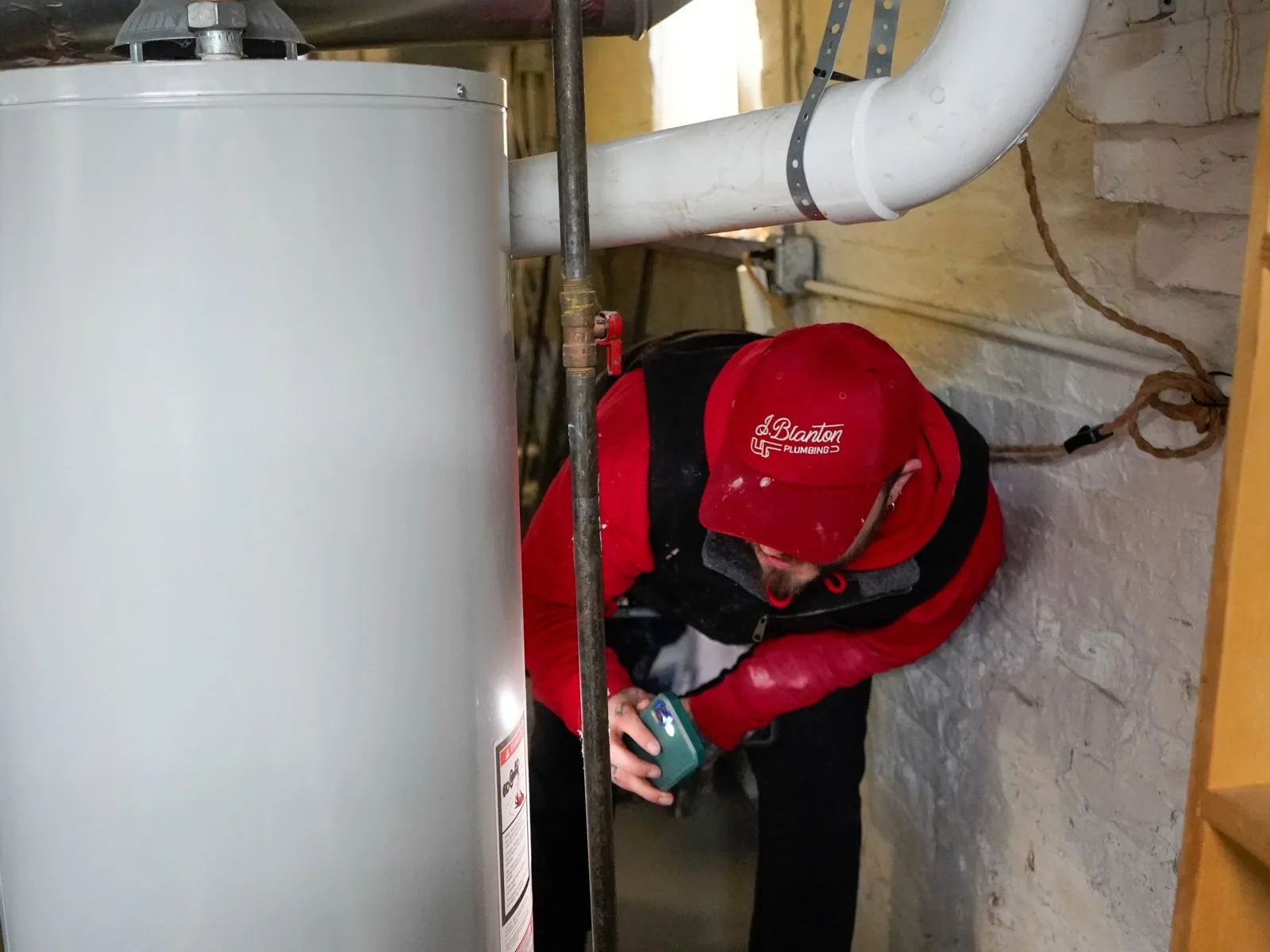
Repair and replacement for tank and tankless water heaters that leak, make noise or run out of hot water too fast.
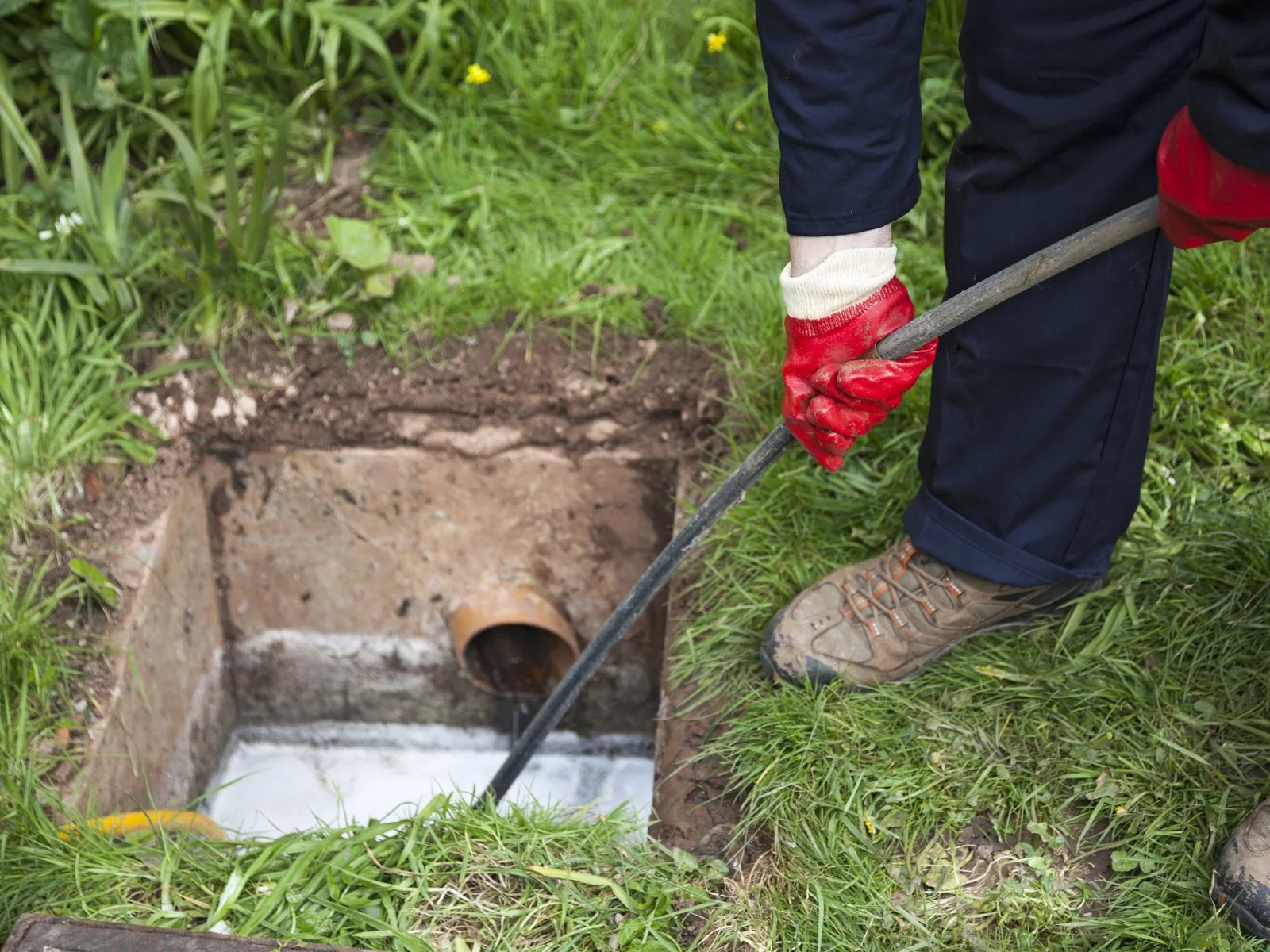
Slow or clogged kitchen, bathroom and basement drains, cleared and checked.
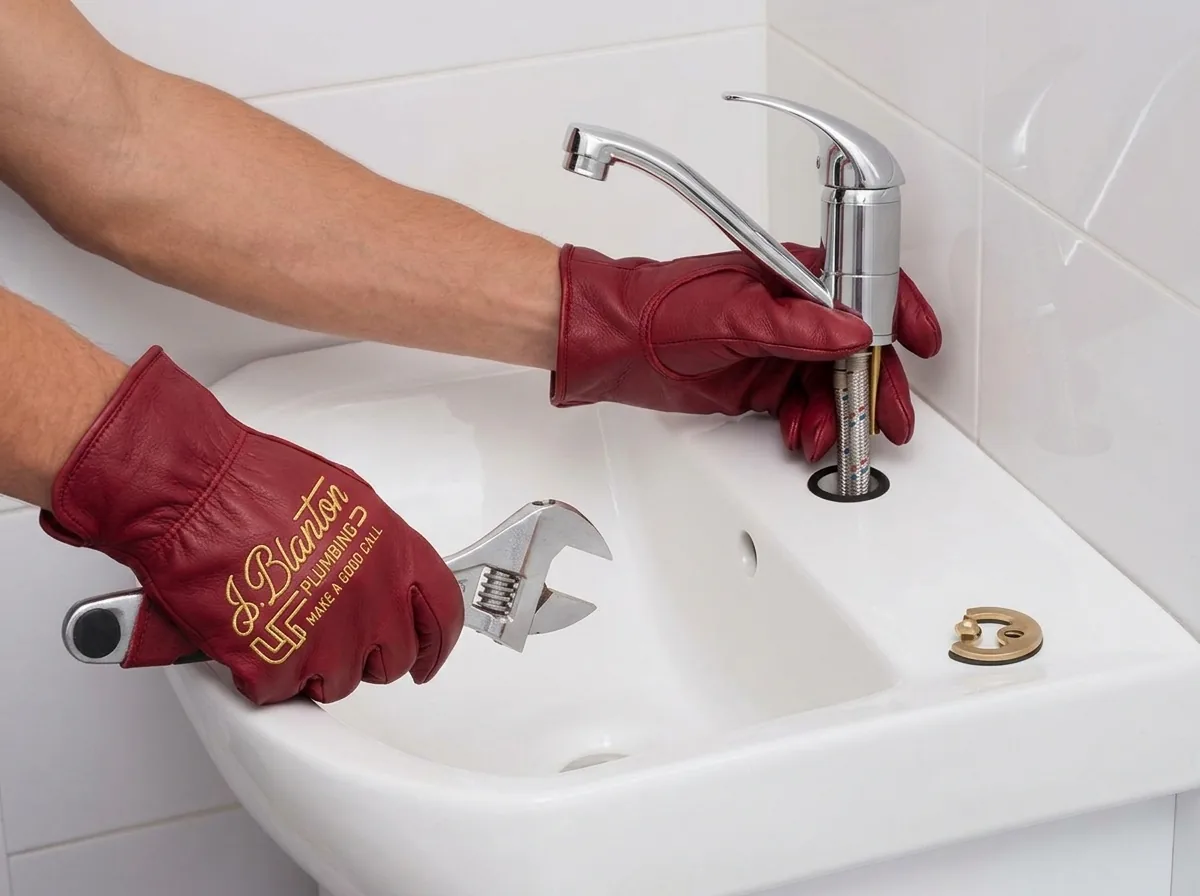
Leaky faucets, worn-out shut-off valves and new kitchen and bathroom fixture installs.
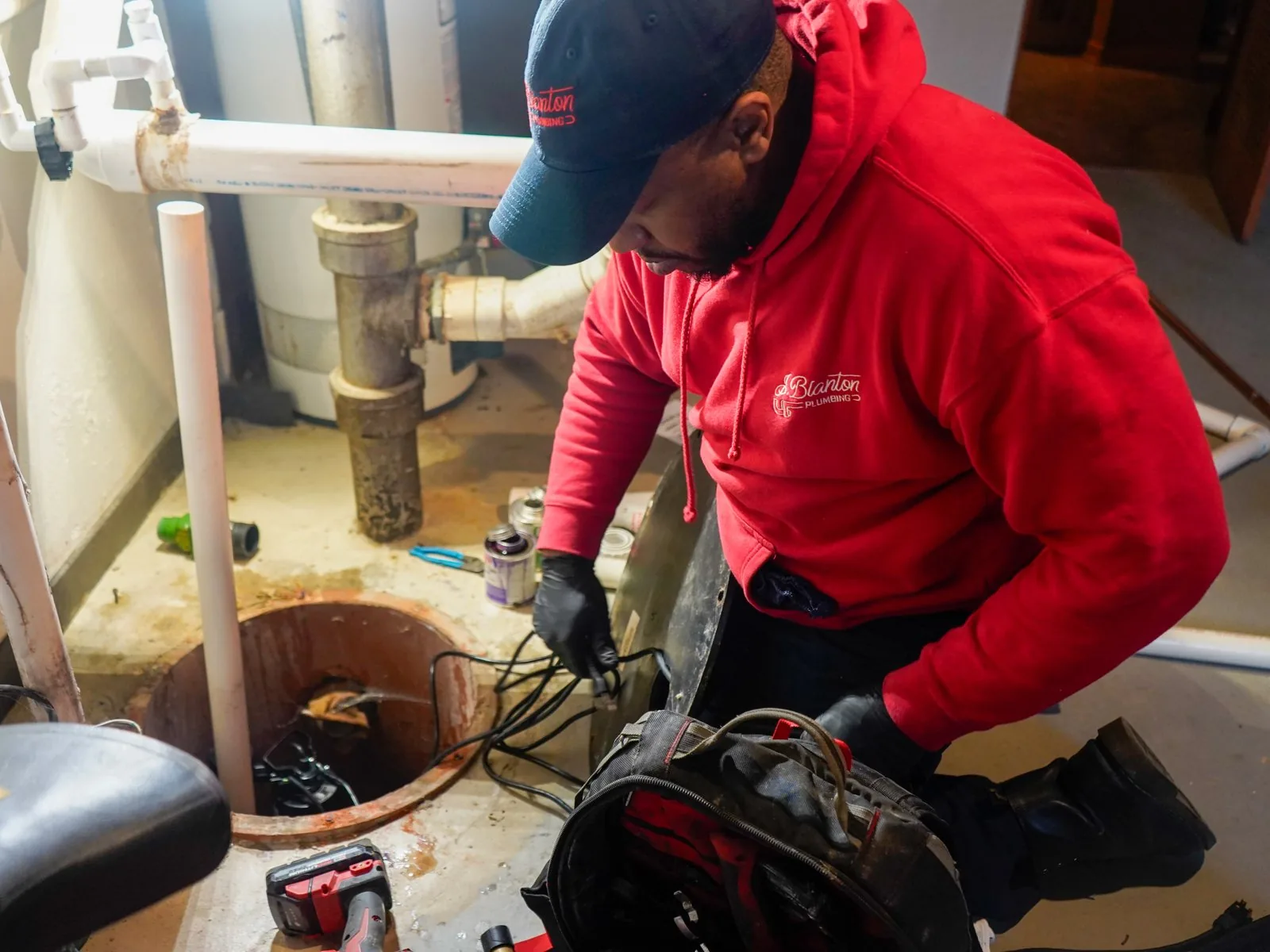
Sump pump repair, replacement and battery backups for heavy rain and spring snowmelt.
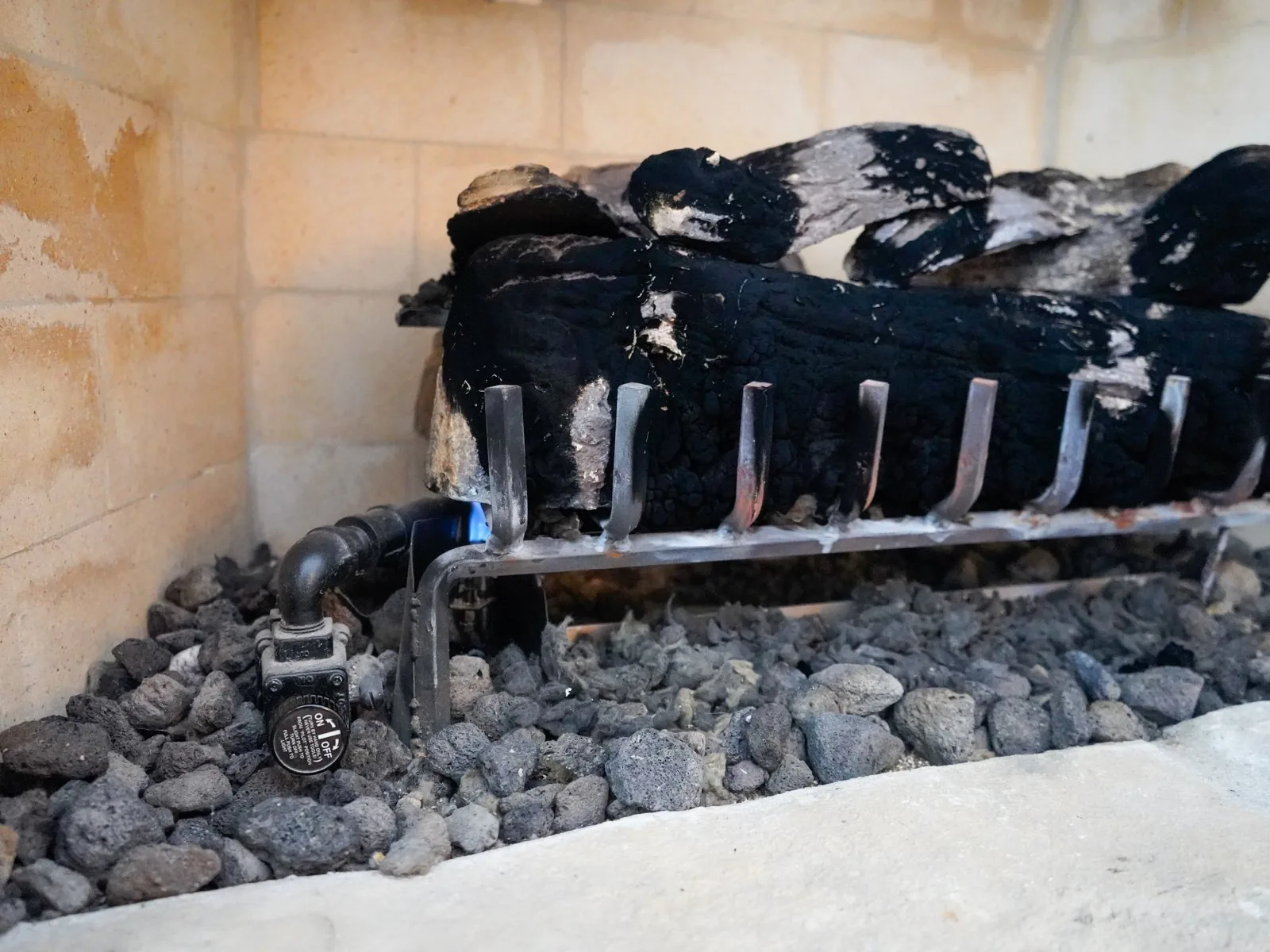
Gas line repair, leak detection and gas fireplace service.
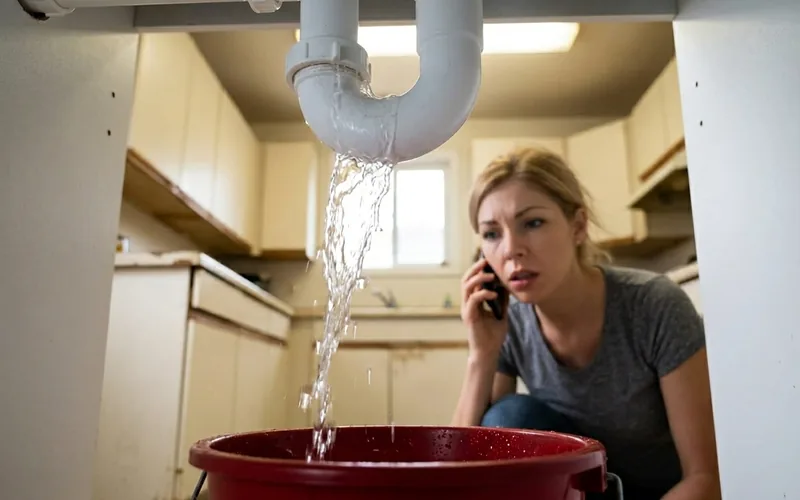
Burst pipes, sewer backups and no hot water, any time of day or night.
Our Northbrook office is at 1945 Techny Road, Suite 11, and our phone line is open 24/7.
We also serve Glenview, Northfield, Deerfield, Wheeling, Prospect Heights, Lincolnshire, Winnetka and more.