

WE'VE GOT YOU COVERED, Chicago Albany Park


OUR SERVICES
 Plumbing
 Gas Lines
 Water Filtration Systems
 Water Heater Services
 Sewer & Drain
- Basement Flooding
- Basement Waterproofing
- Catch Basin
- Clogged Drains
- Drain Cleaning
- Ejector Pump
- Hydro Jetting
- Kitchen Sink Drain
- Overhead Sewer Systems
- Sewage Line Backup Services
- Sewer Drain Clearing
- Sewer Maintenance
- Sewer Repair
- Sewer Rodding
- Sump Pumps
- Trenchless Sewer Repair
- Video Camera Sewer & Drain Inspections
Other Services
J Blanton Plumbing - Turning Bad Calls to Good Calls
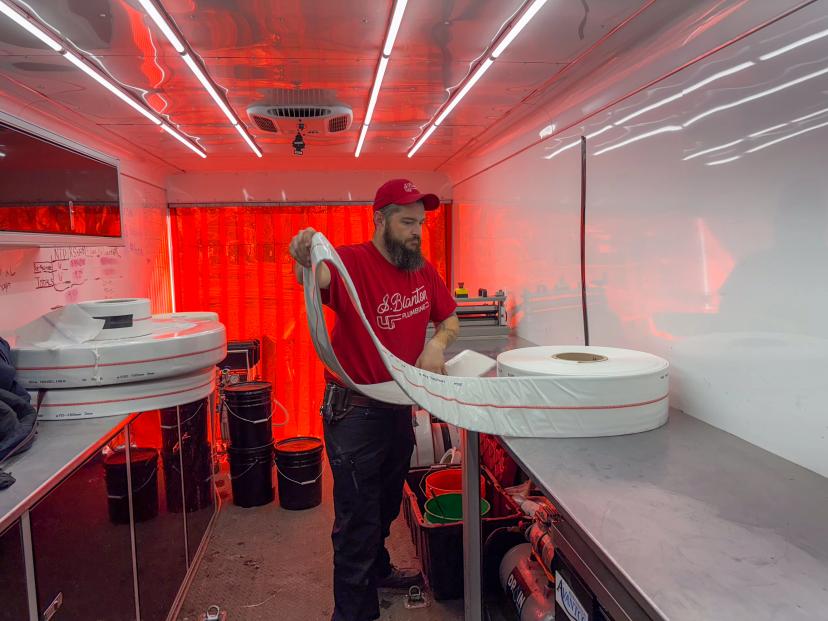
Is Your Old House Sewer a Ticking Time Bomb? Why Chicagoland Homeowners Should Consider Replacement
Is Your Old House Sewer a Ticking Time Bomb? Why Chicagoland Homeowners Should Consider Replacement For homeowners in older Chicagoland properties,…
Read more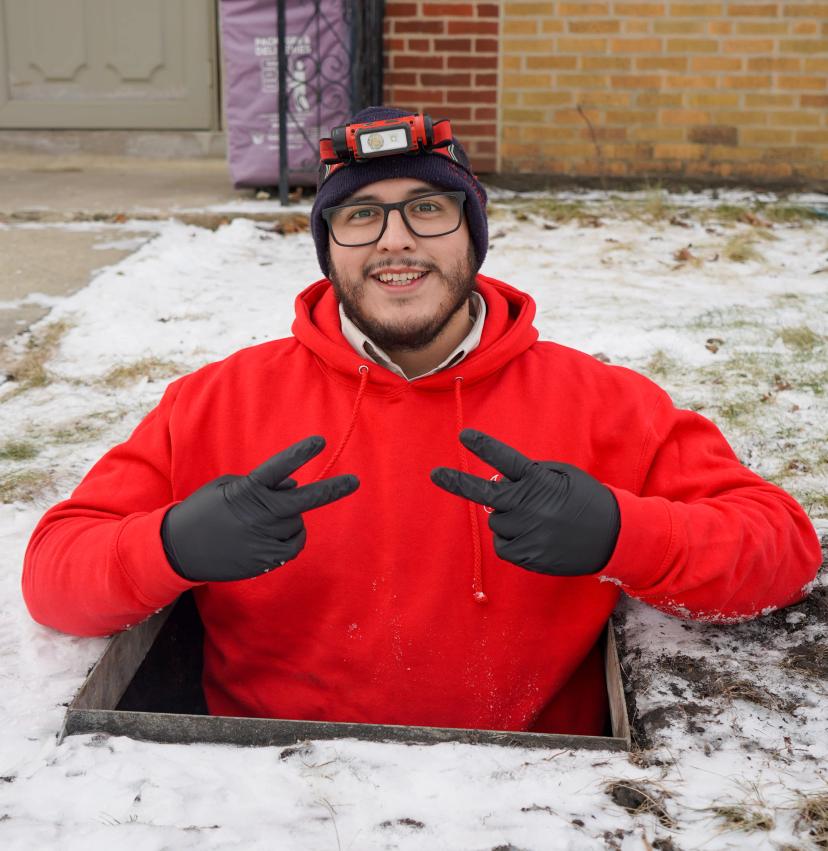
Prepare Your Home Plumbing for the Chicago Cold Snap
Chicago cold is coming! Learn essential tips to protect your pipes from freezing.
Read more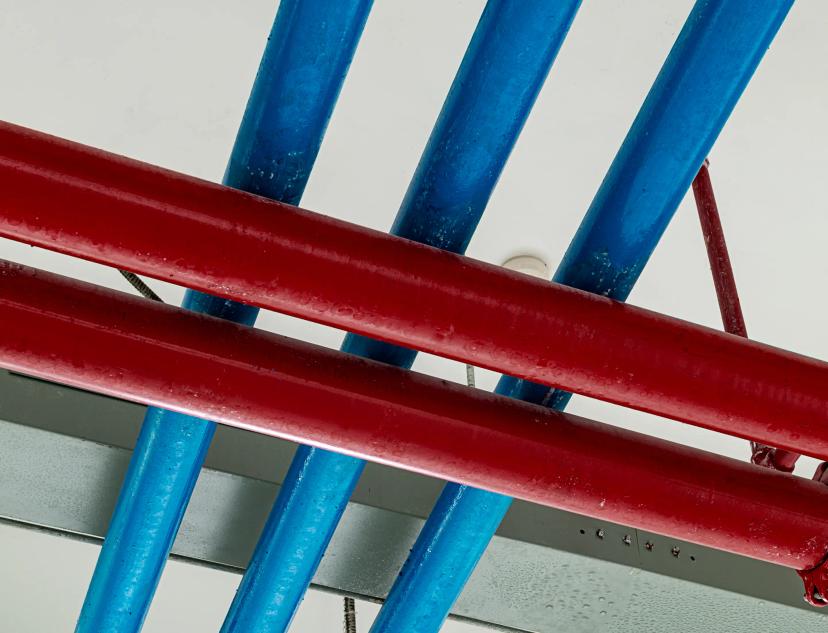
Where Do Pink Water Stains in Your Bathroom Come From?
If you scrub your bathroom only to discover slimy pink stains returning a few weeks later, you're not alone. These stubborn marks can appear around sink basins, inside toilet bowls, on shower curtains, and around tub drains…
Read moreProudly Serving the Greater Chicagoland Area for 30+ Years
Some areas we serve, but are not limited to, include:
Water testing can help identify potential issues with your household water supply by detecting contaminants, such as bacteria, lead, pesticides, or other harmful substances that may not be visible or noticeable. Testing can also determine the pH levels, hardness, and other factors that can affect the quality of your water and potentially cause health problems or damage to your plumbing system. Regular water testing is essential to ensure the safety and quality of your drinking water.
Potential health risks associated with not regularly testing household water include exposure to harmful contaminants such as bacteria, lead, pesticides, and other pollutants. Water testing can help prevent these risks by identifying any contaminants present in the water supply, allowing for appropriate treatment or filtration measures to be implemented to ensure the water is safe for consumption. Regular testing can also help detect any issues early on before they become a serious health concern for you and your family.
It is recommended to have your water tested annually to ensure the continued safety and quality of your household water supply.
Water testing can detect contaminants such as bacteria, lead, pesticides, nitrates, and other harmful substances. Addressing these contaminants can improve the overall health and safety of your household water supply by reducing the risk of waterborne illnesses, protecting against potential long-term health effects, and ensuring that your water meets regulatory standards for safe drinking water.
Water testing involves collecting samples of your home's water and analyzing them for various contaminants such as bacteria, lead, pesticides, and other harmful substances. By conducting water testing, you can identify any potential issues with your water quality and take appropriate measures to address them, such as installing water filtration systems or treatment devices. Regular water testing can help ensure that your family has access to clean and safe drinking water.