
Most people do not spend much time thinking about what goes down the drain each day.
However, everyday waste can slowly build up inside sewer lines and create serious plumbing issues over time.
One of the biggest threats hiding in pipes is something known as a fatberg.
A fatberg is more than a simple clog that clears up on its own. It is a growing mass that can block pipes completely and cause major damage if ignored.
Learning about this problem can help you protect your plumbing system before it becomes an emergency.
What Is a Fatberg and How Does It Form?
So, what is a fatberg and why does it develop inside sewer pipes?
A fatberg is a large, solid blockage made from grease, fats, and non-flushable materials that collect over time. It forms when these substances stick to pipe walls and begin trapping other debris.
Cooking oils may seem harmless when they are warm and liquid but once they cool down inside plumbing lines, they harden and cling to the inside of the pipe.
That greasy layer then catches items like wipes, paper products, and food waste. As the buildup continues to grow, the blockage becomes thicker and harder to break apart.
Eventually, it turns into a fatberg that prevents wastewater from flowing normally.
Why Fatbergs Are a Serious Plumbing Issue
Fatbergs are not minor plumbing inconveniences that can be ignored for long. They can quickly turn into major problems that affect both household drains and sewer systems.
A fatberg can restrict the flow of wastewater, which often leads to slow drains and repeated backups. In more severe situations, pressure can build up behind the blockage and strain the plumbing system.
Over time, that pressure may crack pipes, damage sewer lines, or even cause wastewater to overflow indoors.
Once the clog becomes solid, it is also far more difficult to remove without professional equipment.
Common Causes of Fatberg Buildup
Fatbergs usually form when certain materials are washed down drains or flushed too often.
Grease is one of the most common contributors, especially when it is poured into sinks after cooking. Many people also flush items that should never enter plumbing lines in the first place.
Even products labeled as "flushable" may not break down properly and can stick to grease buildup.
Food scraps, oils, paper towels, hygiene products, and wipes can all combine to create the perfect conditions for a fatberg to grow inside pipes.
Signs You May Have a Fatberg in Your Pipes
Because fatbergs build up slowly, the warning signs often appear gradually. Paying attention early can help prevent a complete blockage.
Drains may start emptying more slowly than usual, even after cleaning the fixture. You might also notice gurgling noises coming from toilets, sinks, or shower drains.
Unpleasant odors rising from drains can also signal trapped waste inside the plumbing system. If several drains are affected at the same time, the blockage may be deeper in the sewer line.
That is often where a fatberg forms and becomes much harder to reach.
Can Fatbergs Be Prevented?
The good news is that fatbergs are often preventable with better habits and routine care.
Small changes in what goes down your drains can make a big difference over time.
Grease should never be poured down the sink, even if it seems harmless in liquid form. Instead, let it cool in a container and dispose of it properly in the trash.
Drains should only carry water, human waste, and toilet paper that breaks down easily.
Knowing what a fatberg is and how it forms is one of the best ways to reduce the risk. Regular plumbing maintenance can also help catch buildup before it becomes severe.
How Are Fatbergs Removed?
Once a fatberg becomes established, it usually takes professional tools to remove it safely.
These blockages are dense, sticky, and often resistant to basic plunging or chemical cleaners. Plumbers use specialized equipment to break apart the mass without damaging the pipe. The goal is not just to poke a hole through the clog, but to fully clear the line.
In many cases, the most effective solution is high-pressure drain cleaning that washes away grease and debris from the pipe walls. This approach helps restore full flow and reduces the chance of future buildup.
Final Thoughts on Fatbergs
A fatberg is one of the most damaging types of sewer blockage because it grows quietly over time. It forms when grease and non-flushable materials combine and harden inside pipes.
Understanding what a fatberg is can help homeowners avoid costly plumbing problems and unexpected backups. By keeping grease, wipes, and unwanted waste out of drains, you can greatly reduce the risk.
If you notice slow drains, bad odors, or recurring backups, it may be time to act before the blockage worsens.
Clear Tough Blockages With Professional Hydro Jetting
If grease buildup or a fatberg is causing trouble in your plumbing system, professional hydro jetting can be an effective solution.
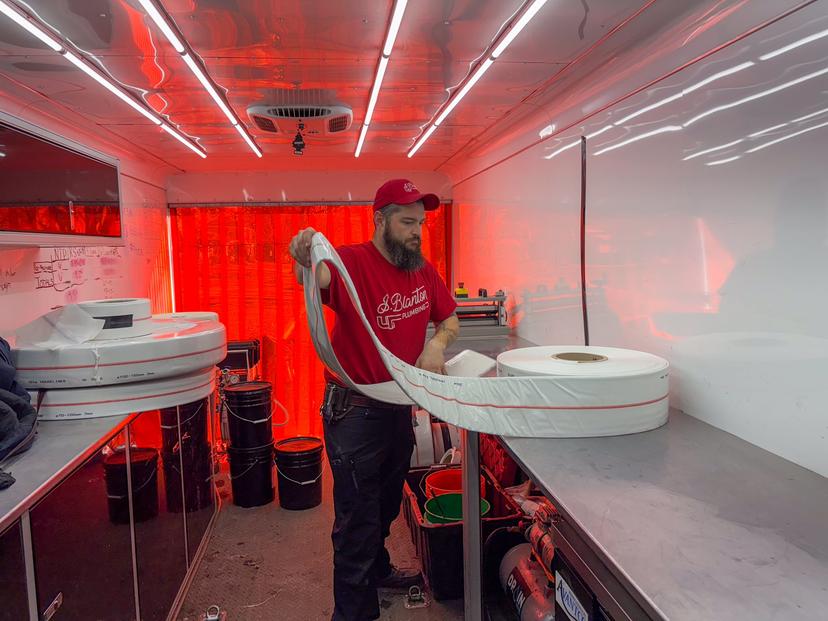
J. Blanton Plumbing uses high-pressure water cleaning to remove stubborn clogs, clear pipe walls, and restore proper drainage throughout your system. Hydro jetting is especially helpful for tough sewer line blockages that traditional methods cannot fully remove.
If you need expert support with drain and sewer cleaning, our team is here to help.
J. Blanton Plumbing is a leading plumbing service provider in Chicago, specializing in water heater installation, plumbing repairs, drain cleaning, and whole-home plumbing solutions. With over 30 years of industry experience, our licensed technicians create expert resources to help homeowners understand their plumbing options and maintain long-lasting, dependable systems.