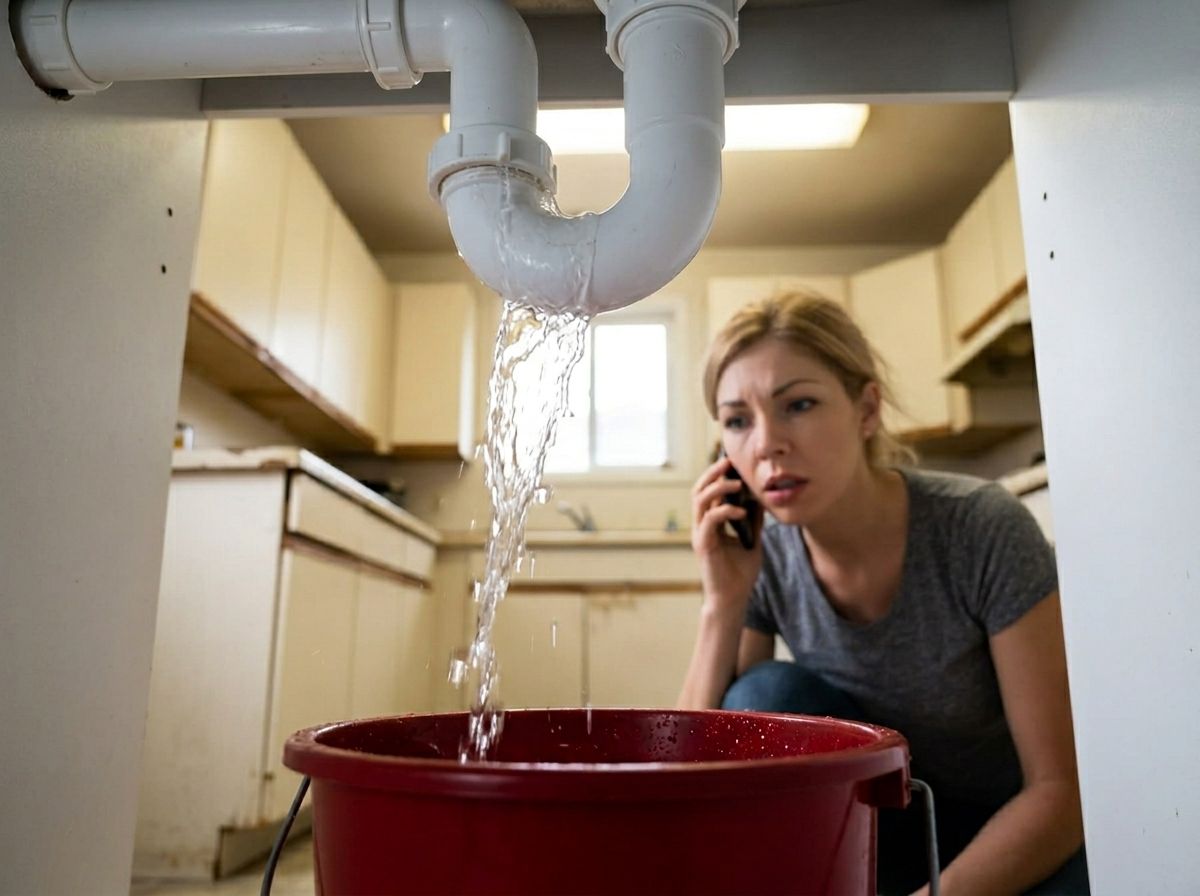
Water Heater Maintenance & Flush in Chicagoland and Columbus, OH
Water Heater Maintenance & Flush in ChicagolandColumbus, OH
Minerals in your water settle at the bottom of the tank. Over time, that sediment makes the tank noisy, cuts down your hot water and wears the tank out early. A yearly flush and checkup clears it out and catches small problems before they turn into a repair.
Water heaters wear out from the inside, where you can't see it. We've been servicing them for more than 30 years on every major brand, including Bradford White, Rheem, A.O. Smith and Rinnai, and the same parts wear out no matter whose name is on the tank. Here's what we see most often, and what happens when those parts don't get attention:
What Wears Out
Why It Matters
Sediment at the bottom of the tank
Sediment traps heat at the bottom of the tank. That makes the burner or elements work harder, causes popping sounds and wears the tank out faster.
The relief valve
This valve lets out pressure if the tank gets too hot. If it's stuck, the tank has no backup.
The anode rod
This metal rod corrodes so your tank doesn't. Once it's worn down, the tank starts to rust from the inside.
The drain valve
Older plastic drain valves get brittle. A valve that cracks or won't close turns a small job into a leak.
Valves and fittings
Small drips are easy to fix early. Left alone, they rust the tank and the floor around it.
On a maintenance visit, we flush the tank, test the unit and tell you what we find. Have a tankless unit? It needs descaling, not a flush. See our tankless water heater service.
Know the Signs
Signs Your Water Heater Is Due for a Flush
The most common sign is a popping or rumbling sound when the water heats up. That's sediment settling at the bottom of the tank, and most homes need a flush once a year to keep it under control. If you notice any of these, it's time to schedule one:
Popping or rumbling sounds when the water heats up
Hot water runs out faster than it used to
Hot water looks cloudy or rusty, or smells like rotten eggs
Your energy bill is creeping up with no change in how you use hot water
It's been more than a year since the last flush
If your water heater isn't heating at all, or it's leaking, a flush won't fix it. You need a repair.
Schedule
How Often Should You Flush a Water Heater?
Once a year is the right schedule for most homes. If you have hard water, a big household or a tank that already makes popping sounds, every six months is better.
Water in both Chicagoland and Central Ohio carries enough minerals to leave buildup in a tank year after year. If you have a water softener, sediment builds more slowly, but the tank still needs a yearly check of the relief valve and anode rod.
Honest Advice
When We Won't Flush Your Water Heater
Sometimes a flush does more harm than good. If a tank is very old and hasn't been flushed in years, the sediment at the bottom can be the only thing covering weak spots in the steel. Stirring it up can start a leak. Old plastic drain valves can also crack or refuse to close once they're opened.
When we see that risk, we tell you before we touch anything. You decide whether to flush it, leave it alone or start planning for a new water heater.
The J. Blanton Difference
What Happens When You Call J. Blanton
Here's what to expect from the moment your technician walks in.
1. You Get a Flat Price Before We Start
Your technician will explain your options and provide a flat rate before any money changes hands.
2. We Show You What Came Out
We flush the tank until the water runs clear, and we show you what was sitting at the bottom. You see the reason for the visit with your own eyes.
3. We Tell You What to Watch For
If something looks worn, we tell you how urgent it is, or whether it can wait. No pressure to fix anything today. We stand behind every job we perform.
“This was a maintenance visit. Christian was the lead on the team. He drained the water heater and checked kitchen and bathroom plumbing. He effectively explained what they were doing and offered maintenance suggestions for our plumbing systems, explaining why such suggestions would be good for us. He listened to us and our questions and then set up an appointment to get estimates. He was overall a very effective communicator with a pleasant professional demeanor the entire appointment.”
“Thank you to Kevin for explaining every step of the maintenance process. I appreciated that he gave me a heads up that the plastic cap on my 30-year-old water heater was at risk of cracking due to age, so I could decide whether to proceed with flushing. [...] He was friendly, courteous, and patient.”
Lisa Jenn Bigelow
Verified Customer · Northbrook, IL
★★★★★
“Technician was knowledgeable and provided clear information for long term solutions.”
Christine Osero
Verified Customer · Columbus, OH
Got Questions?
Water Heater Maintenance & Flush FAQs
Yes, for most tanks. Sediment makes your water heater work harder, run louder and wear out sooner.
Yes, for most tanks. Sediment makes your water heater work harder, run louder and wear out sooner. A yearly flush keeps the burner or elements heating water instead of heating a layer of minerals, and it lets a technician catch a stuck valve or worn anode rod early.
It depends on whether it's been flushed before.
It depends on whether it's been flushed before. If it has been flushed regularly, yes. If it never has, a flush can stir up sediment that was covering weak spots and start a leak. Your technician checks the tank first and tells you which way to go.
Sediment keeps building at the bottom of the tank.
Sediment keeps building at the bottom of the tank. You'll hear popping or rumbling, hot water will run out sooner and your energy bill goes up. Over time, the heat trapped under the sediment wears the tank down until it leaks.
You can, but be careful. The water inside is hot enough to scald, and you need to shut off the gas or power first.
You can, but be careful. The water inside is hot enough to scald, and you need to shut off the gas or power first. Old drain valves can break or refuse to close, and a clogged valve can leave you with a half-drained tank. If you'd rather not deal with that, a technician can do it in one visit and check the rest of the unit while they're there.
Most flushes are done within a single visit. A tank with heavy sediment takes longer, because we keep flushing until the water runs clear.
Most flushes are done within a single visit. A tank with heavy sediment takes longer, because we keep flushing until the water runs clear.
The price depends on the size and type of your water heater, how much sediment has built up and whether anything else needs attention, like a worn anode rod or a stuck relief valve.
The price depends on the size and type of your water heater, how much sediment has built up and whether anything else needs attention, like a worn anode rod or a stuck relief valve. Your technician gives you a flat price before starting.


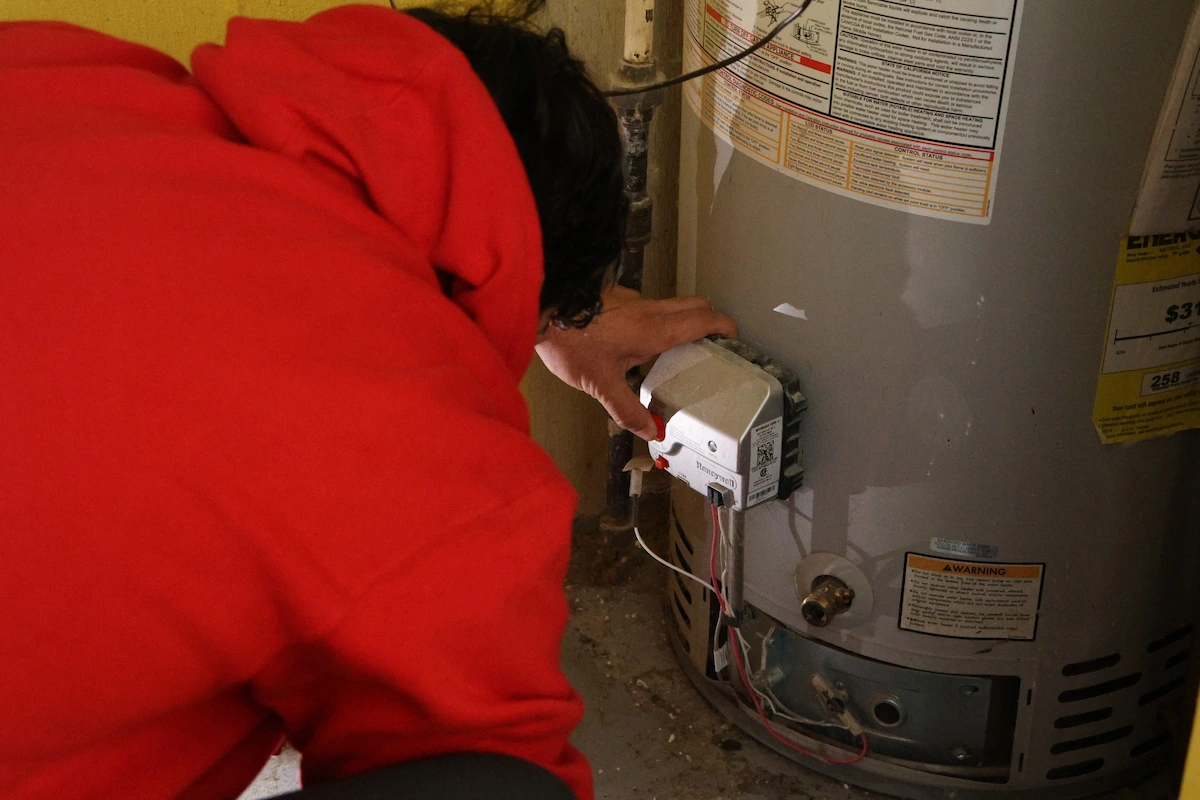
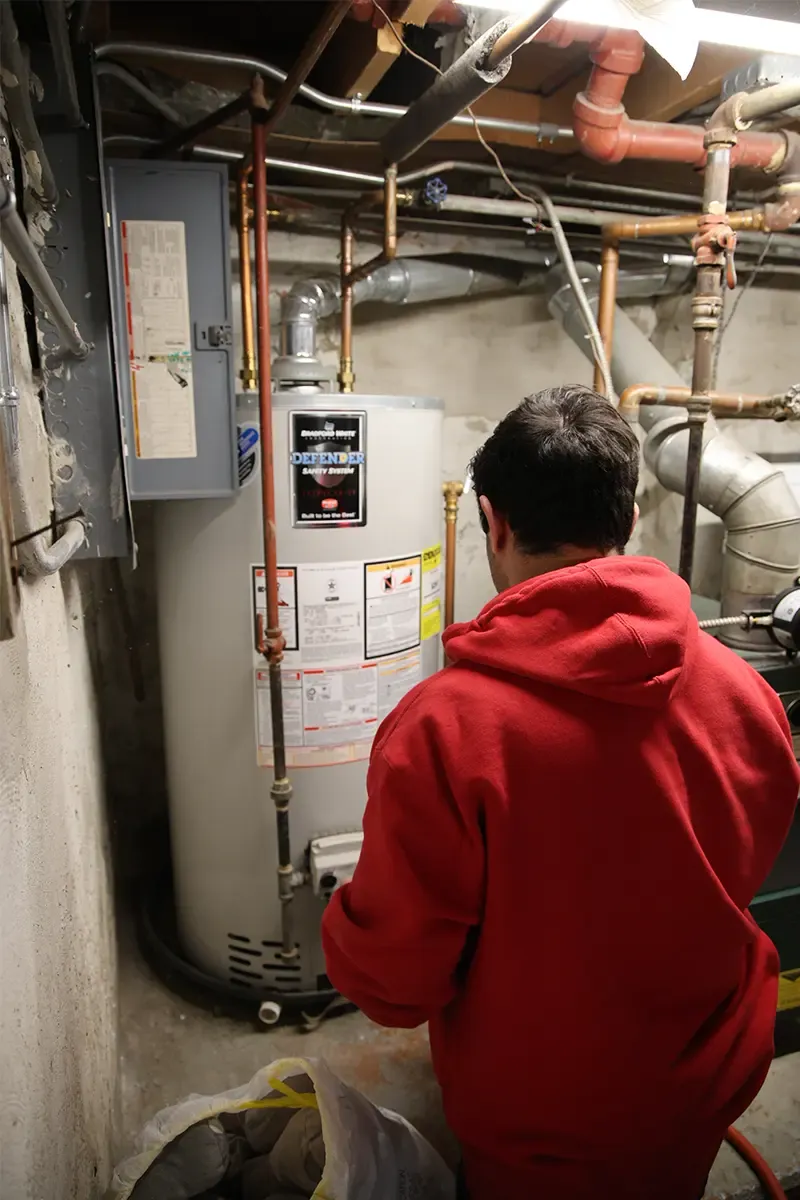
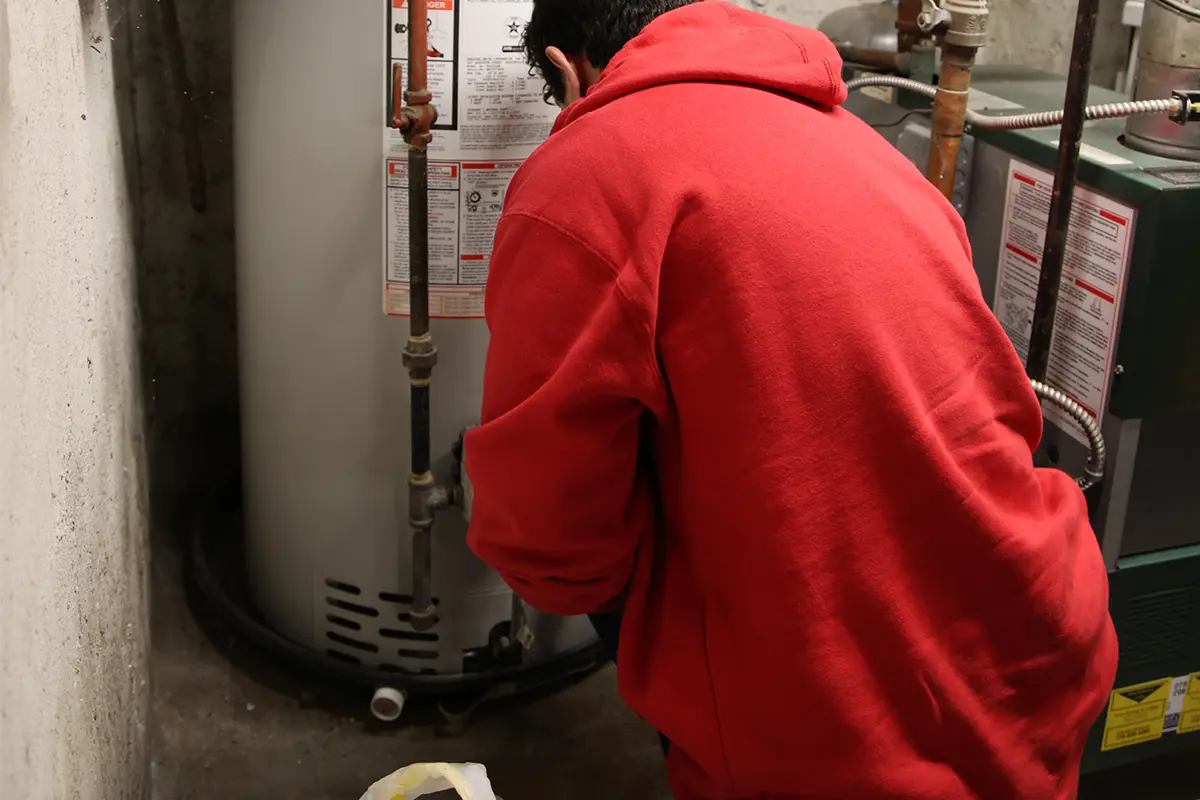 1 / 6 photos from this job