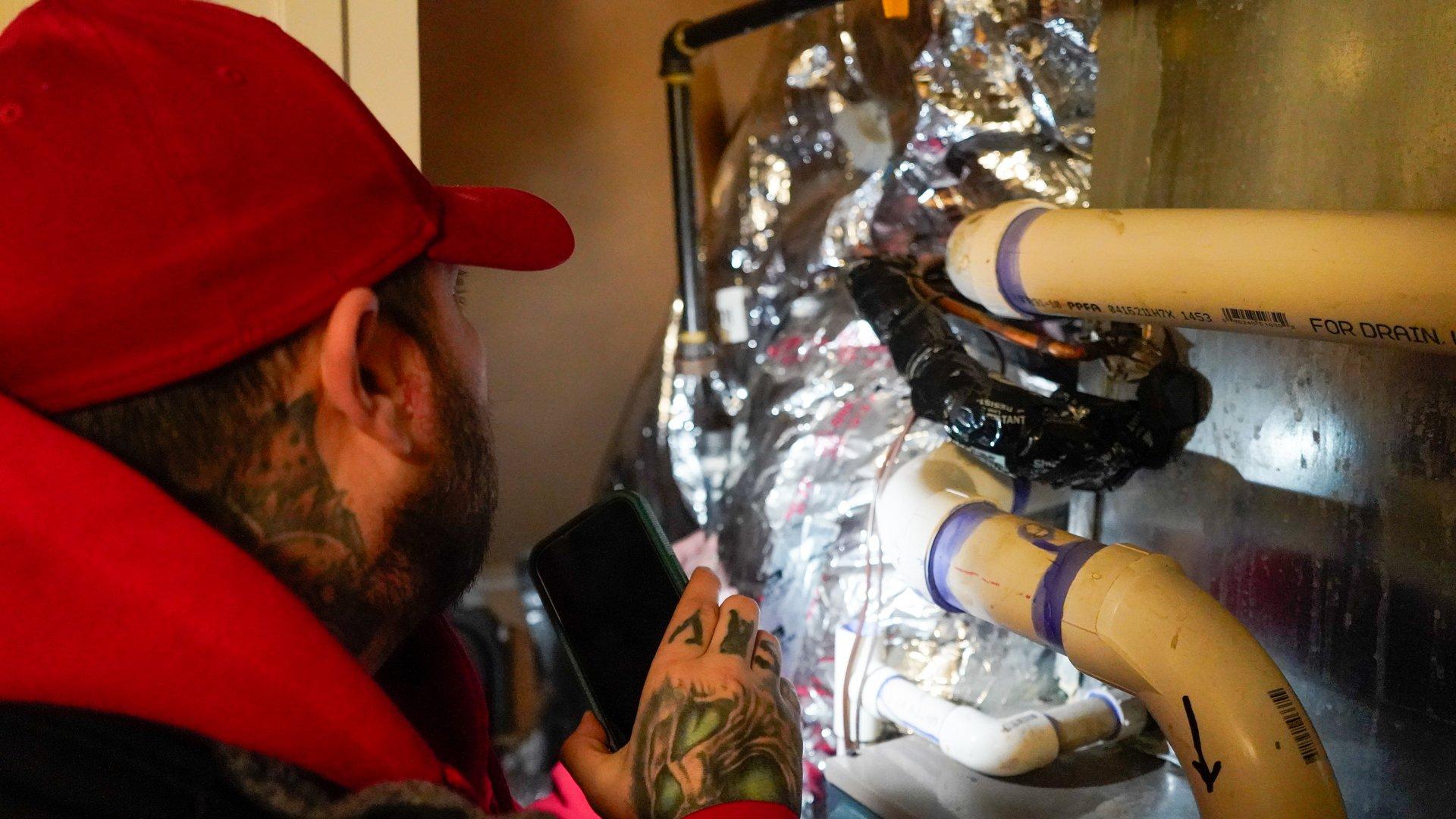

Winter in the Greater Chicagoland Area brings freezing temperatures that can affect gas piping systems in several ways. Gas lines, like water pipes, are susceptible to extreme cold, which can lead to contraction, leaks, or even blockages. Without proper gas line installation, homeowners may experience reduced efficiency, safety concerns, or even system failures.
Why Winter Poses a Risk to Gas Lines
Pipe Contraction and Expansion
Metal gas pipes contract in frigid temperatures and expand when warmed, causing potential stress on joints and fittings. Over time, this can lead to leaks if not properly installed or maintained.
Frozen Condensation in Gas Pipes
Moisture inside gas lines can freeze in extreme cold, leading to blockages. This is particularly common in outdoor gas lines or those in unheated areas of the home.
Increased Demand on Heating Systems
Homeowners rely heavily on gas heating systems during winter. A poorly installed gas line may struggle to supply the necessary pressure, leading to inefficient heating and higher energy bills.
Ground Shifting Due to Frost Heave
The freeze-thaw cycle can cause underground pipes to shift, potentially leading to misalignment or cracks in the gas line. Proper gas line installation accounts for these changes to ensure long-term stability.
Corrosion and Wear from Snow & Ice
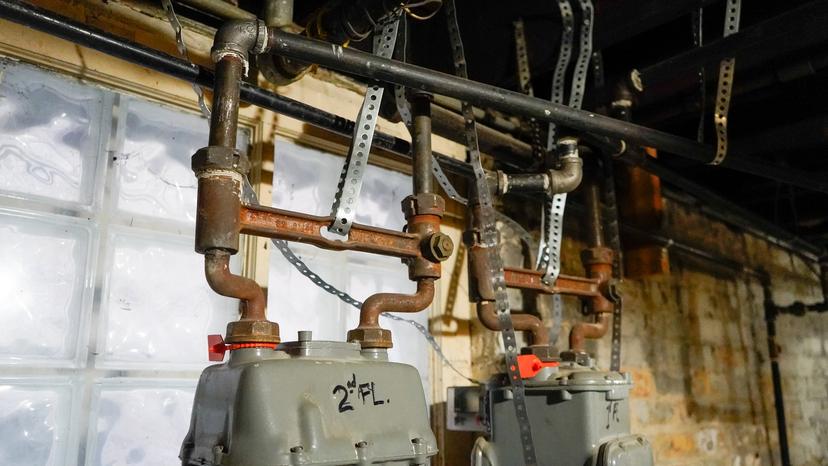
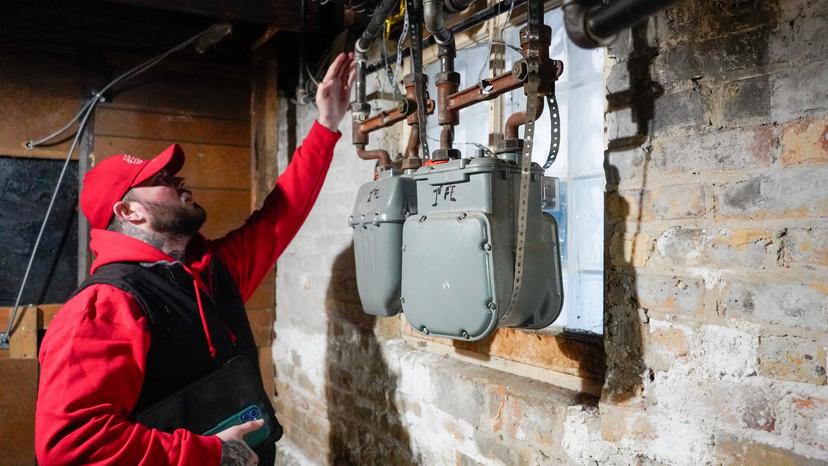
Gas meters and exposed pipes can accumulate ice and snow, leading to accelerated wear and tear. Proper insulation and protection during installation can prevent damage.
How to Prevent Gas Line Issues in Winter
1. Professional Gas Line Installation
A properly installed gas line, done by experts like J Blanton Plumbing, accounts for temperature fluctuations, soil shifts, and insulation needs. Choosing a licensed plumber in Chicago ensures compliance with local building codes and safety regulations.
2. Regular Inspections & Maintenance
Scheduling a gas line inspection before winter helps detect leaks, weak joints, or corrosion that could worsen in cold weather. Professional maintenance ensures your system is prepared for freezing temperatures.
3. Insulating Exposed Gas Pipes
Wrapping exposed gas lines with insulation or heat tape can help prevent freezing and condensation buildup. For underground gas lines, proper depth placement and protective coverings are essential.
4. Keeping Gas Meters Clear of Snow & Ice
Regularly clearing snow and ice around gas meters prevents damage and ensures proper function. Avoid using sharp tools to remove ice, as this can damage the piping.
5. Upgrading Older Gas Lines
If your home in Algonquin has aging gas pipes, upgrading to newer, more durable materials can enhance efficiency and safety during the winter months.
Conclusion
Winter in Chicagoland can put a strain on gas piping systems, making professional gas line installation more important than ever. If you suspect gas line issues or need a new installation, trust J Blanton Plumbing, the leading plumber in Chicago, for reliable and safe service. Contact us today to schedule your gas line installation and keep your home running smoothly all winter long!