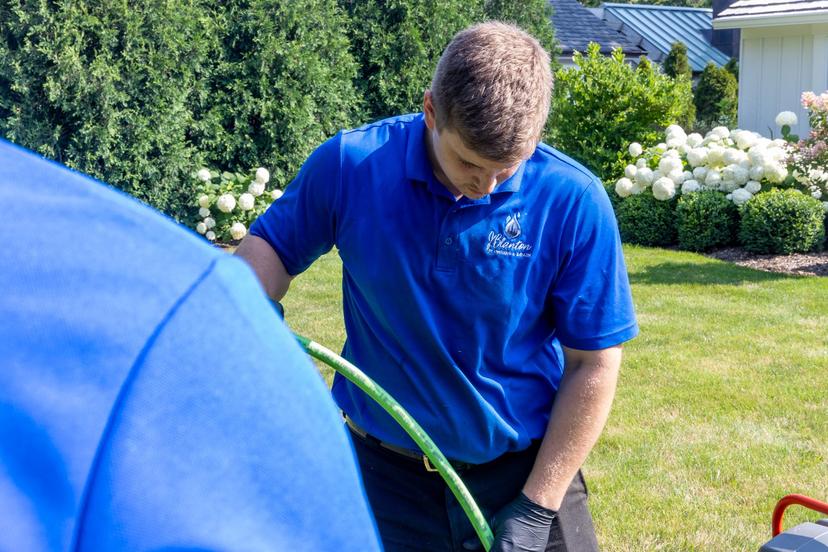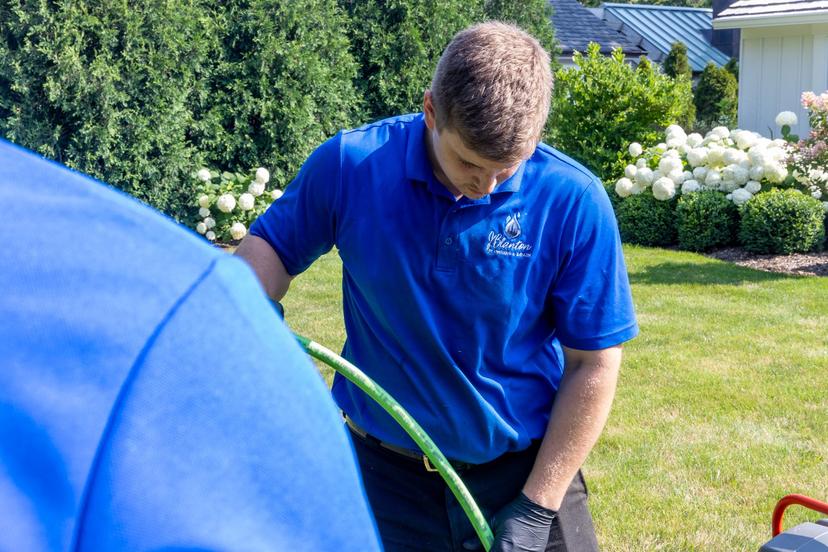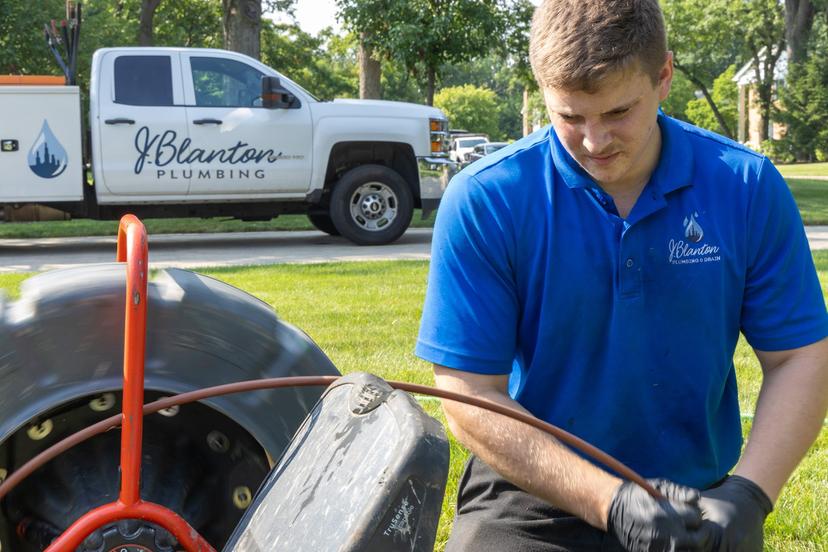
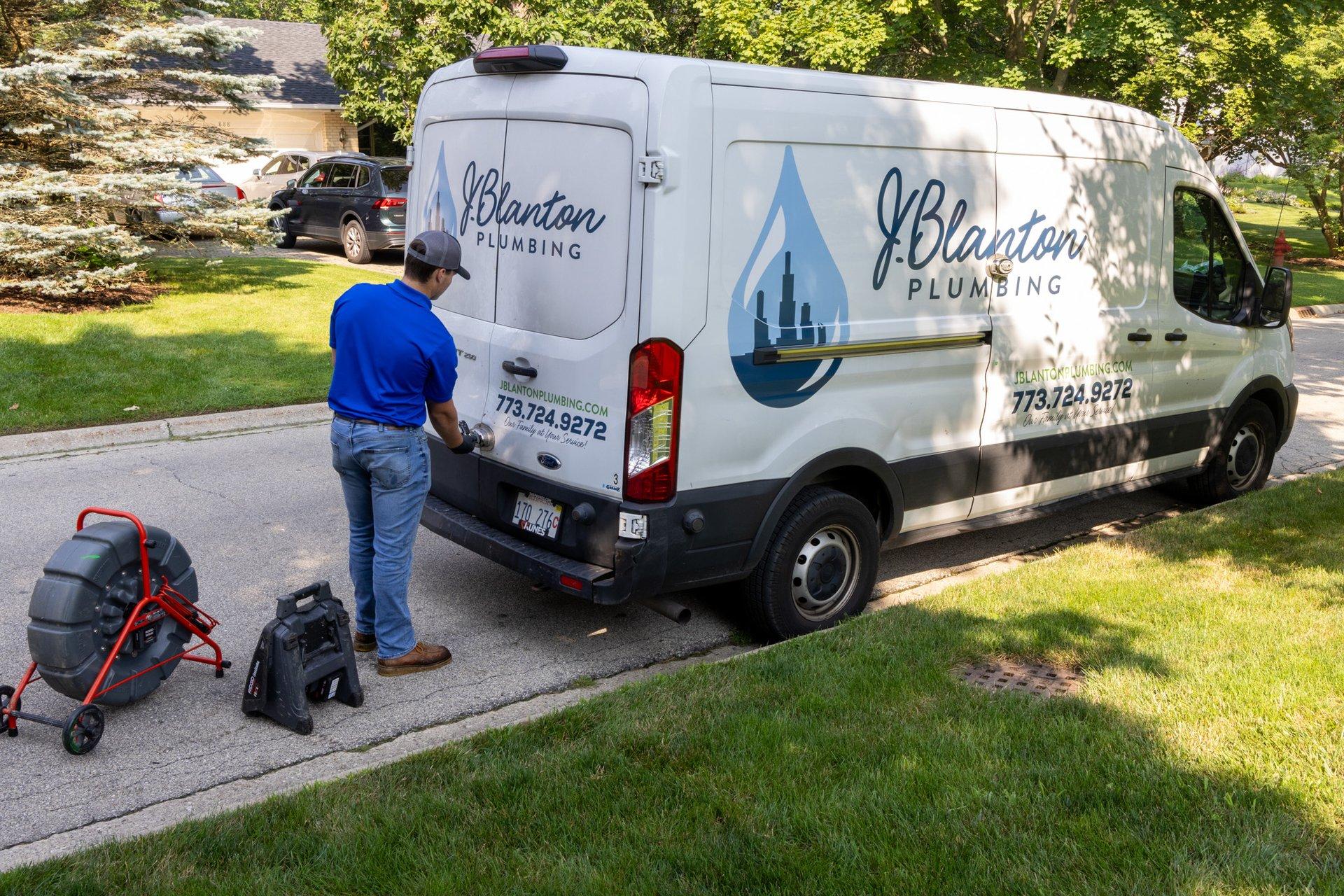

At J Blanton Plumbing, we understand that dealing with a broken sewer line can be stressful for Naperville homeowners. This guide provides step-by-step instructions on how to handle and repair a broken sewer line, ensuring your home remains safe and functional.
About Naperville
Naperville, Illinois, is a thriving city known for its excellent schools, beautiful parks, and vibrant community life. With a population of over 140,000, it features a mix of historic homes and modern developments, each with unique plumbing needs. Maintaining the local infrastructure and leveraging advanced technologies allow us to serve this diverse community better.
Step 1: Identify the Problem
- Listen and Observe: If you notice gurgling sounds, foul odors, or slow drains, you might have a broken sewer line.
- Inspect for Visible Damage: Check for wet spots in your yard, especially near where the sewer line runs.
Step 2: Gather Necessary Tools
- Tools Needed: Shovel, pipe cutter, PVC pipes, pipe connectors, sealant, and protective gloves.
- Safety First: Wear gloves and protective clothing to avoid contact with sewage.
Step 3: Locate the Sewer Line Break
- Use a Sewer Camera: If available, use a sewer camera to find the exact location of the break.
- Dig Carefully: Dig around the suspected area carefully to avoid causing further damage.
Step 4: Cut Out the Damaged Section
- Measure and Mark: Measure the damaged section and mark it.
- Cut the Pipe: Use a pipe cutter to remove the damaged section of the sewer line.
Step 5: Replace the Broken Section
- Prepare Replacement Pipe: Cut a new piece of PVC pipe to match the removed section.
- Attach Connectors: Use pipe connectors and sealant to secure the new pipe section in place.
- Ensure Proper Fit: Make sure all connections are tight and properly sealed to prevent future leaks.
Step 6: Test the Repair
- Run Water: Turn on the water and check for leaks at the repair site.
- Monitor the Area: Keep an eye on the repair site for a few days to ensure it holds.
Conclusion
Repairing a broken sewer line requires careful attention and the right tools. While this guide helps Naperville homeowners with temporary solutions, it’s essential to contact a professional plumber for a permanent fix. Regular maintenance and timely repairs can prevent future plumbing issues, ensuring your home's plumbing system runs smoothly.