
Drain Cleaning
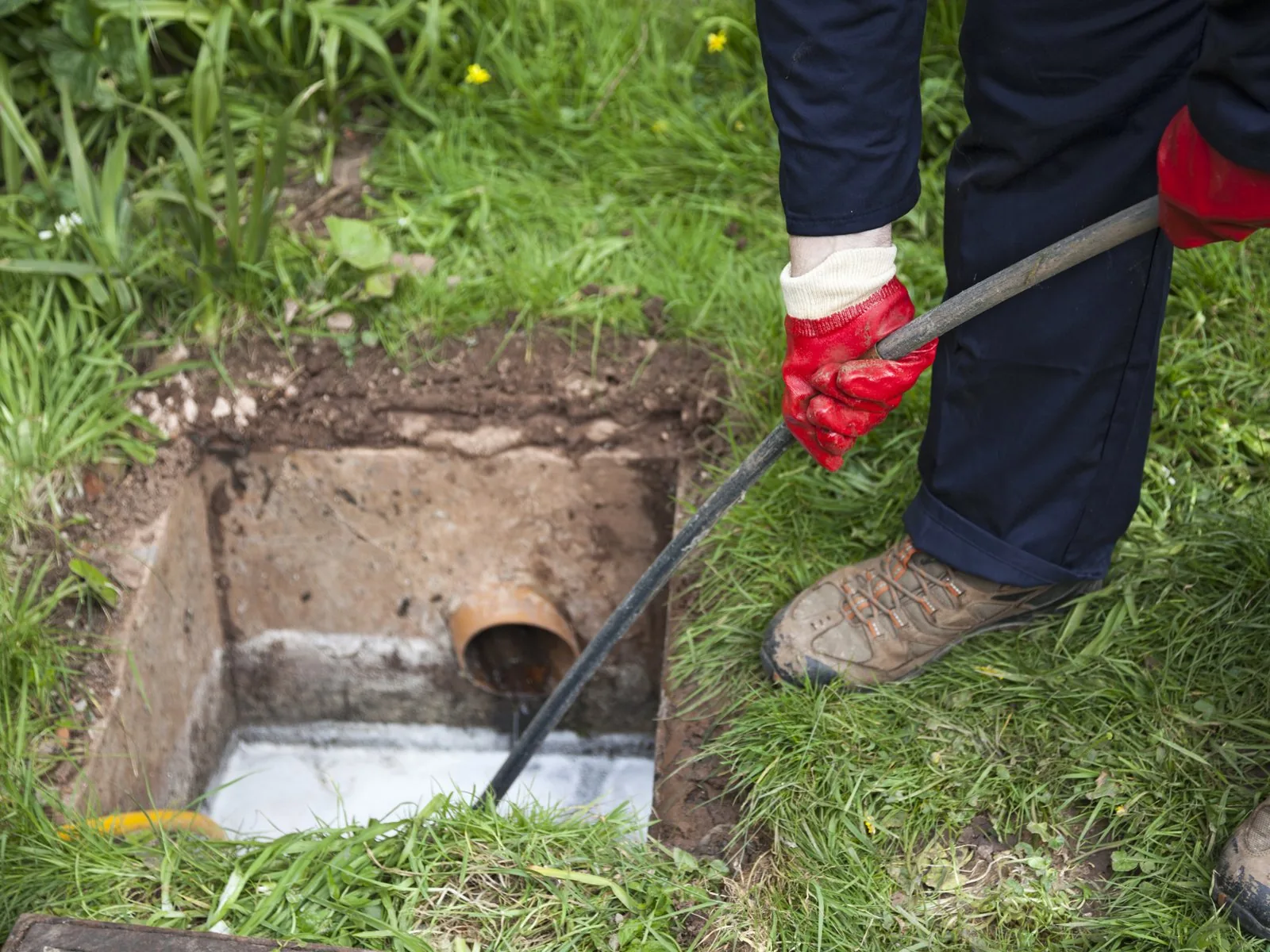
Slow, gurgling or backed-up drains in kitchens, bathrooms and basements.
A clay line under a 1910 house near downtown, a sagging pipe in a west side subdivision or a backup that keeps coming back. We camera the line first, show you the problem and give you one flat price before any work. Our office is on Ottawa Street in downtown Joliet.
These signs point past a simple clog to the pipe itself:
If the line gets rodded and clogs again within months, something in the pipe keeps catching debris.
In older parts of Joliet, sewers carry stormwater too. A damaged line makes storm backups more likely.
A soggy strip or a dip over the sewer line can mean a leak or a collapse.
Cracks, separated joints, roots through the wall or a sag. That's when repair is the conversation.
Joliet's housing covers more than 150 years. About 1 in 6 homes was built before 1940, and about 4 in 10 went up between 1990 and 2009. The two groups fail in very different ways.
Homes from the late 1800s and early 1900s, like the hundreds in the Upper Bluff Historic District, usually drain through clay pipe with joints every few feet. Roots and groundwater get in at those joints.
Joliet's older areas typically have combined sewers that carry both stormwater and wastewater. In heavy rain they fill fast, and a weak private line gives water an easy way back into the basement.
In homes from the 1990s and 2000s, the line is usually PVC. Roots are less of a problem, but sections can sag where the soil settled after construction.
Many older homes have no cleanout outside, or one that's buried. Today the city requires one 3 to 5 feet outside the foundation on new services, and adding one makes every future repair easier.
From our office on Ottawa Street, every sewer quote starts the same way.
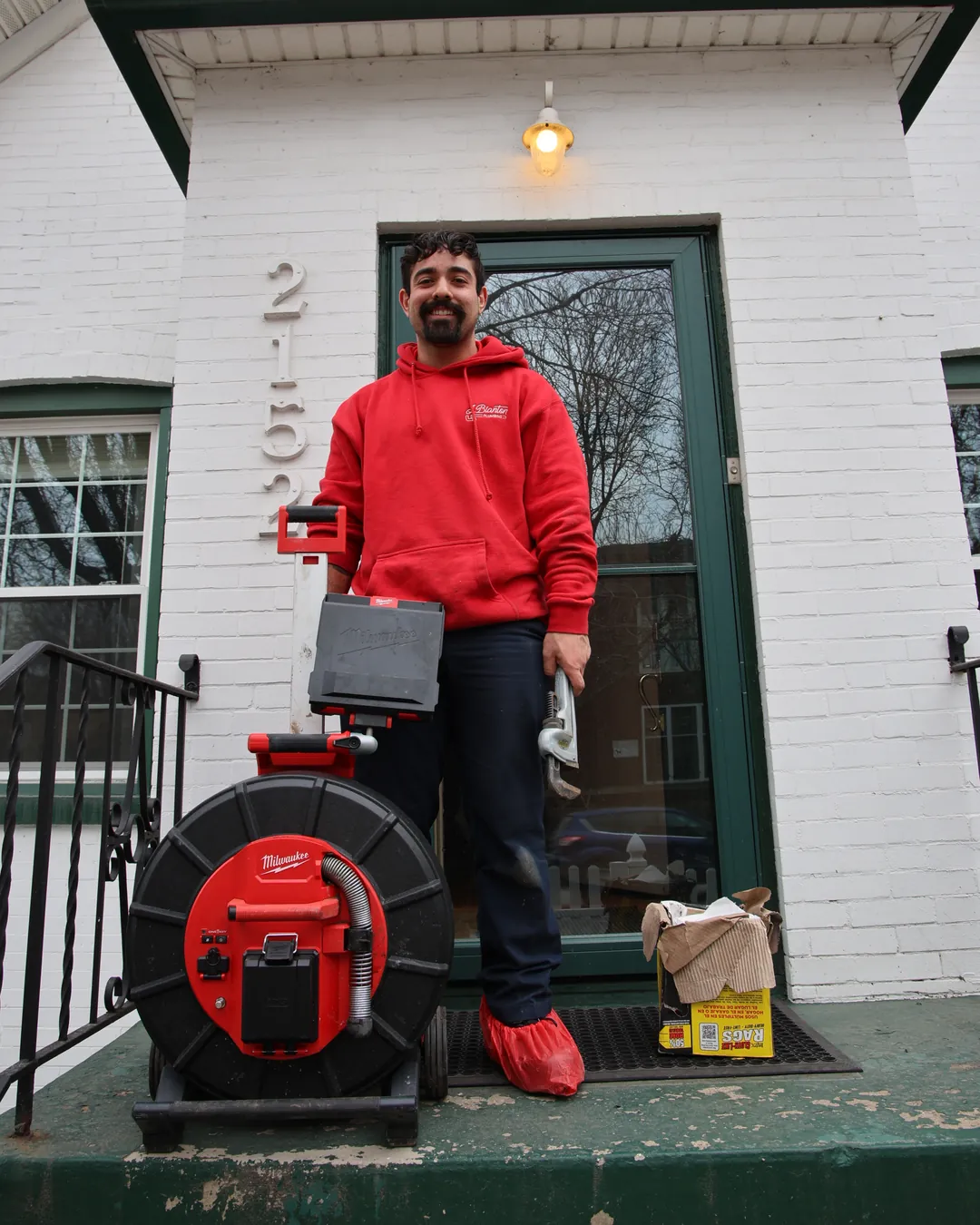
A camera run from the cleanout to the main, with the distance to every problem on screen. You see it with us.
One bad section gets a spot repair. A line that's failing end to end gets a liner or a replacement, and we'll show you why.
You get a flat-rate price before work starts.
Once we know what's wrong, there's usually more than one way to fix it. Which method makes sense depends on the pipe's condition, location, and how it failed.
| Method | What It Involves | Typical Disruption |
|---|---|---|
| Trenchless Pipe Lining | A resin-coated liner is pulled through the existing pipe and cured in place, creating a new pipe inside the old one. | Minimal digging, usually just small access points |
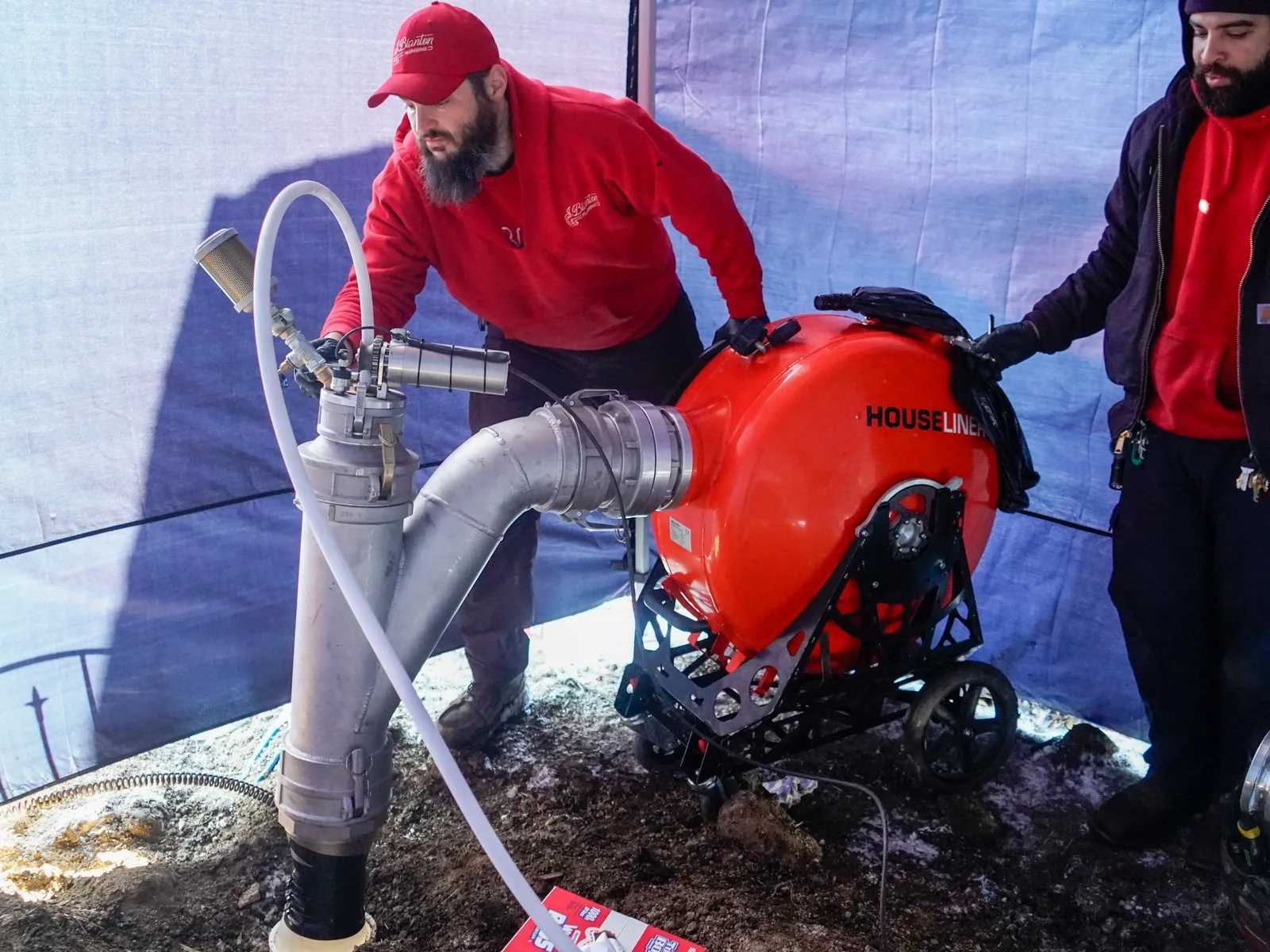
| Trenchless Pipe Bursting | A new pipe is pulled through the old one while a bursting head fractures the old pipe outward to make room. | Minimal digging, works even when the old pipe is badly damaged |
| Traditional Excavation (Spot Repair) | The damaged section is dug up and replaced directly. | More digging, but sometimes the only option depending on damage location and access |
Older Joliet lots often have mature trees, stone walls or detached garages over the sewer path. The camera tells us which method fits before we talk about digging.
4.7 stars from 5,669+ Google reviews across all J. Blanton locations.
"We have had J Blanton out twice in the past two weeks to evaluate and remedy issues related to our sump pump and sewer. They were responsive and prompt, thorough and took the time to explain everything to us in great detail, patiently answering every question. They provided us with options and, most importantly, were honest and straightforward with their recommendations."
"Scott was so helpful and easy to work with! He was so patient and thorough in explaining our options! And Walter loved him!"
"Mike P was super helpful and great at explaining the options we have for our sewer line."
Very likely. Clay was standard then. A camera inspection shows its condition.
Very likely. Clay pipe was the standard for homes of that era. Plenty of clay lines still work, but the joints are where roots and leaks start. A camera inspection shows where yours stands.
Yes. It makes every future cleaning and inspection faster and cleaner.
Yes. If your home has no outside cleanout, we can add one, usually just outside the foundation. It gives direct access to the main line, so future cleanings and camera inspections don't mean pulling a toilet or working through the house.
Often, yes. Lining and pipe bursting work through small access points.
Often, yes. Trenchless sewer repair relines or replaces the pipe through one or two small access points. A collapsed section or a deep sag may still need a spot dig. The camera shows which applies.
It depends on the damage, depth and method. You get a flat price first.
It depends on what the camera finds: the kind of damage, the depth and length of the bad section, the repair method and what's on top of the line. We give you a flat-rate price before any work begins.
Annual Protection Plan
Prevent catastrophes before they disrupt your life. The No Drip Club ensures your waste and sewer lines are monitored and serviced regularly by J. Blanton’s absolute best.

Slow, gurgling or backed-up drains in kitchens, bathrooms and basements.
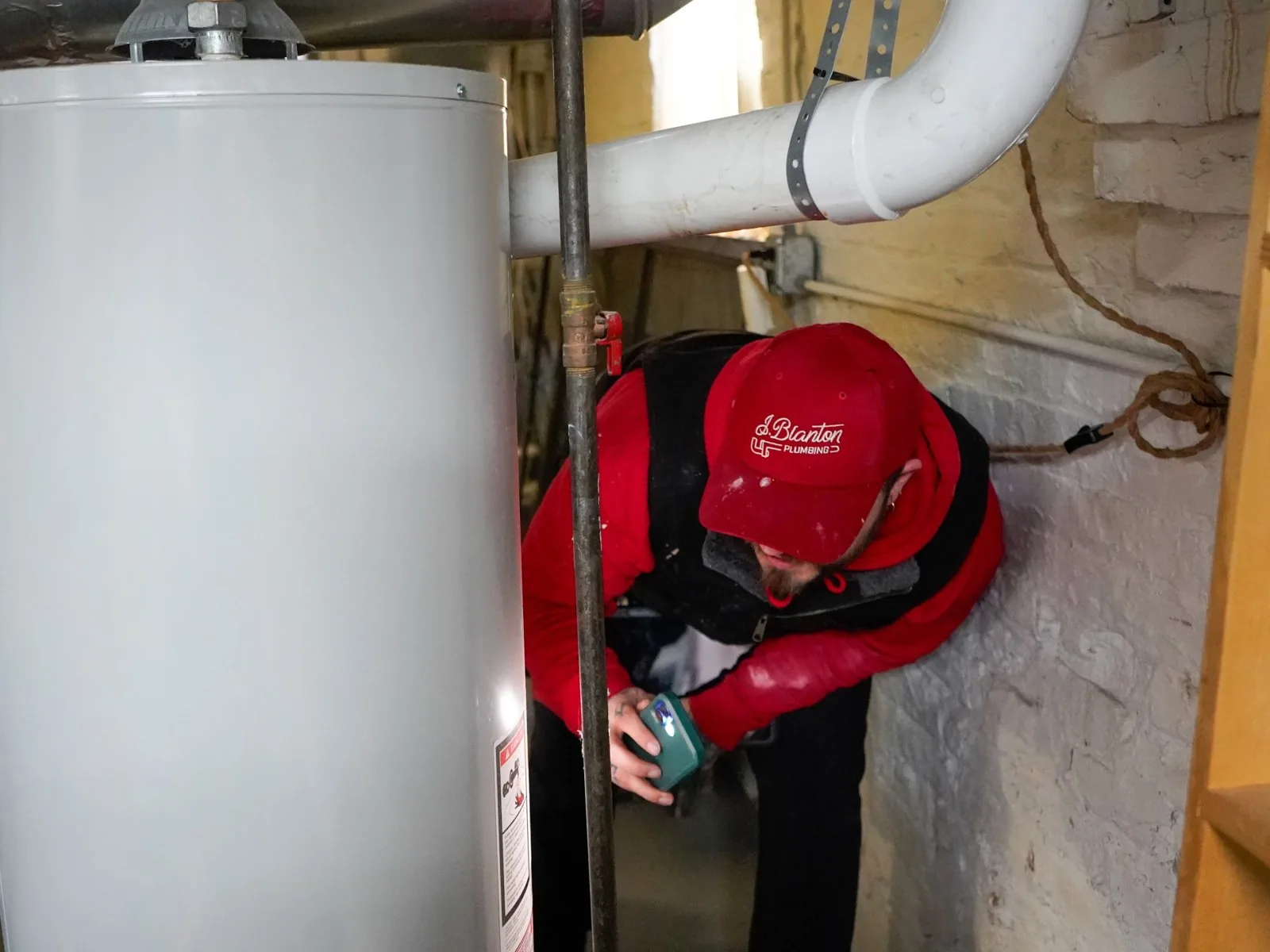
Repair and replacement for tank and tankless water heaters that leak, make noise or run out of hot water too fast.
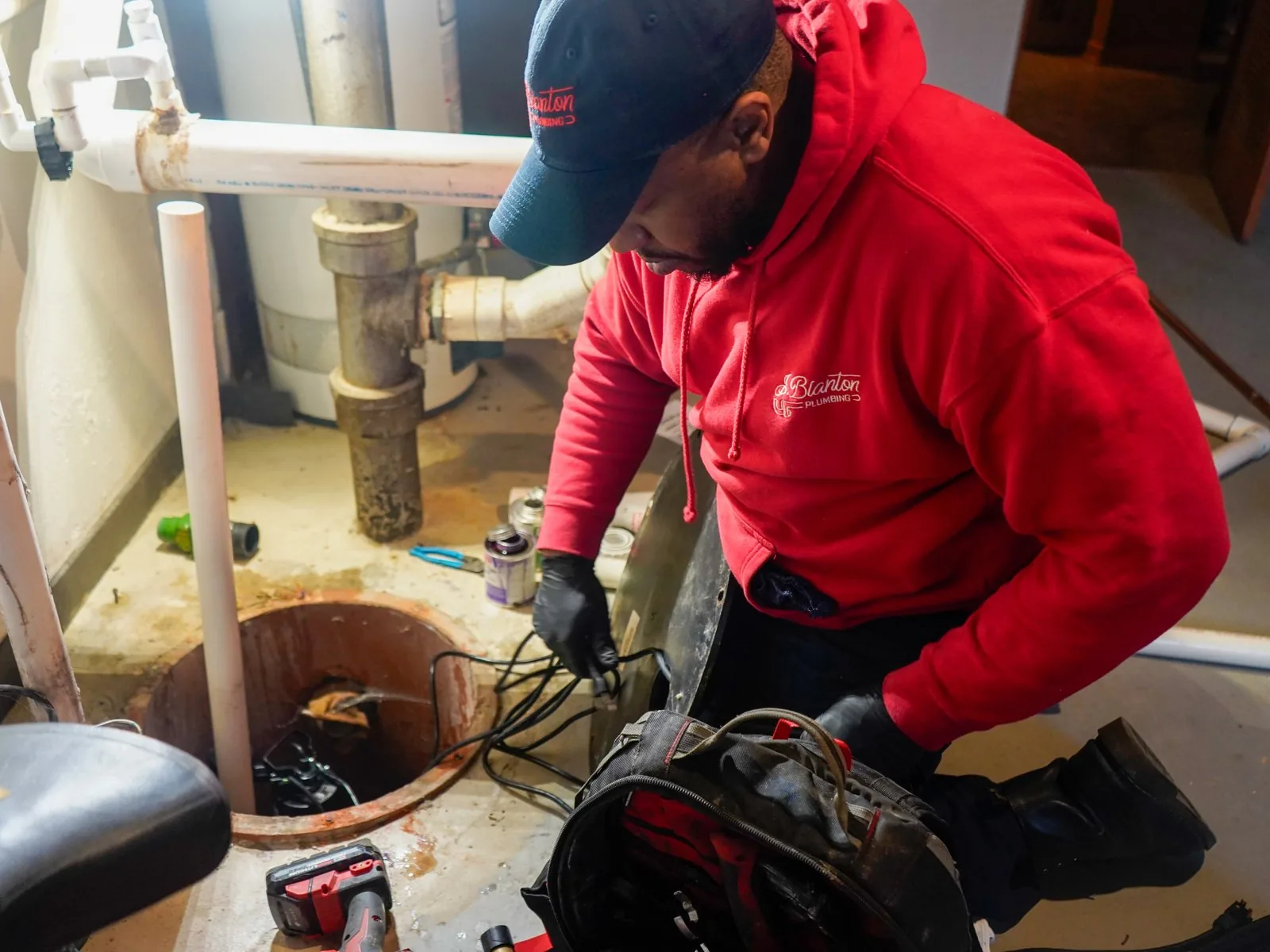
Sump pump repair, replacement and battery backups to keep your basement dry through heavy rain.
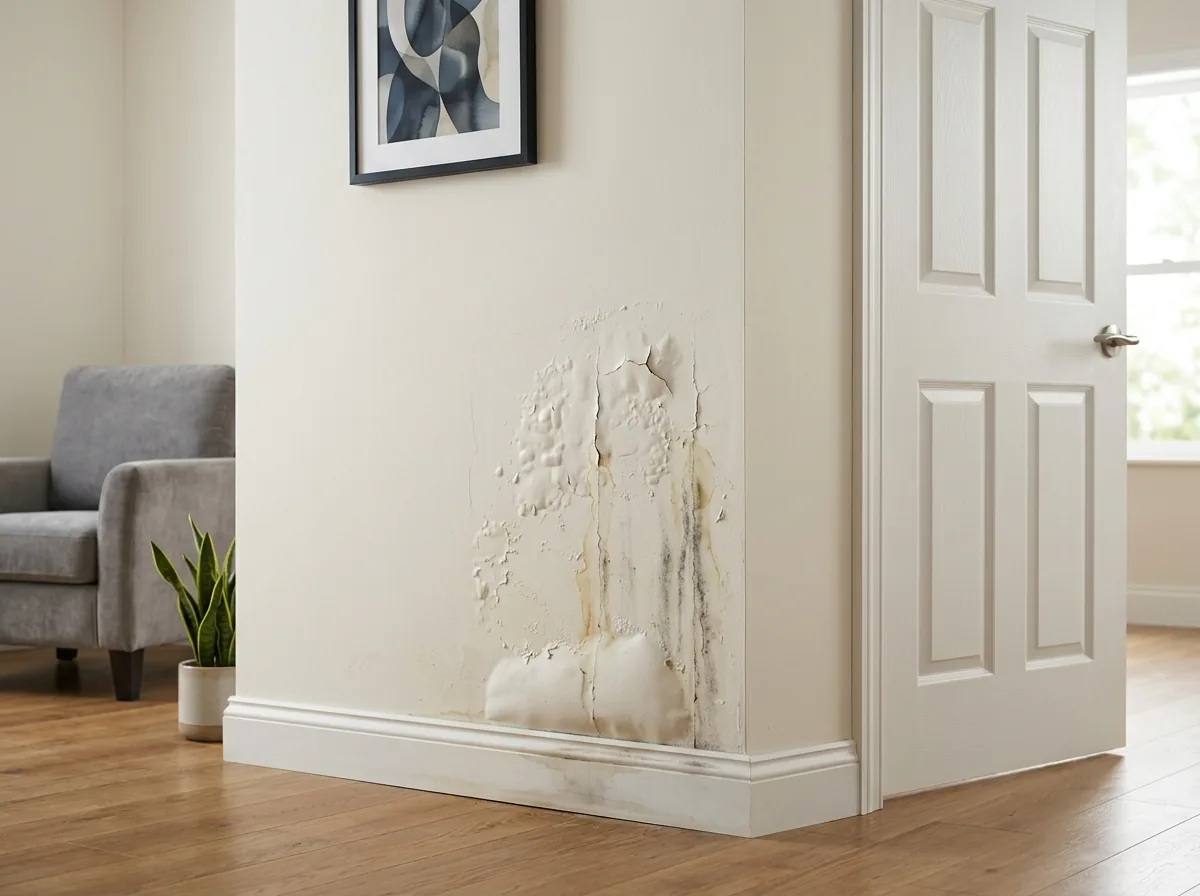
Leaking pipes, drips under the sink and hidden leaks behind walls and ceilings.
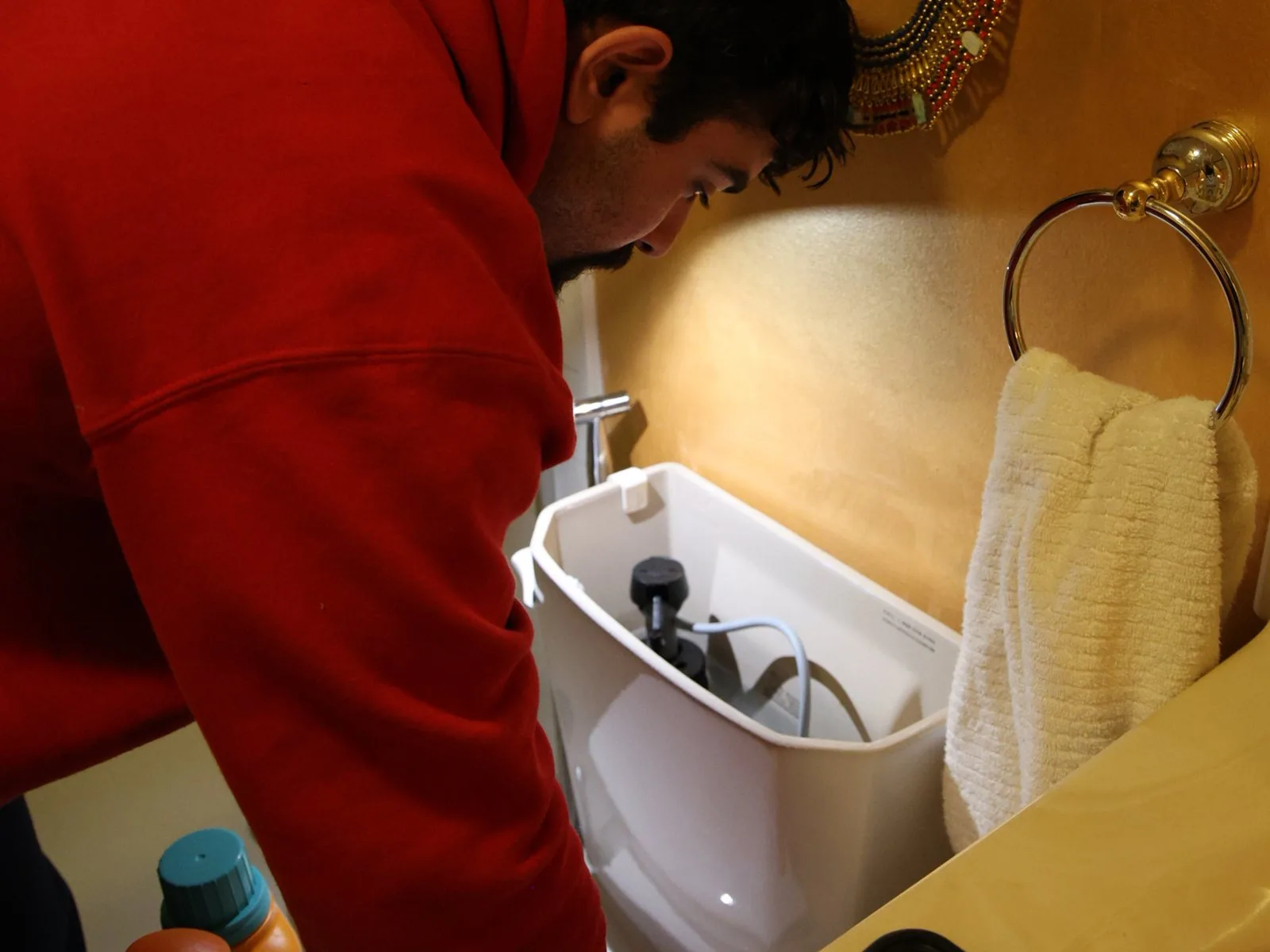
Running toilets, worn-out shower valves and new fixture installs.
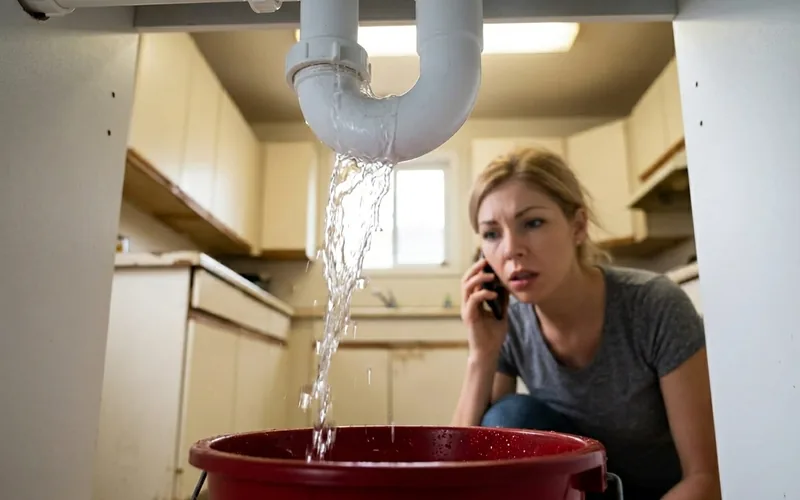
Burst pipes, sewer backups and no hot water, any time of day or night.
Our Joliet office is at 311 N Ottawa St, Suite 2, and our phone line is open 24/7.
We also serve Crest Hill, Lockport, Rockdale, Romeoville, Plainfield, New Lenox, Manhattan and more.