
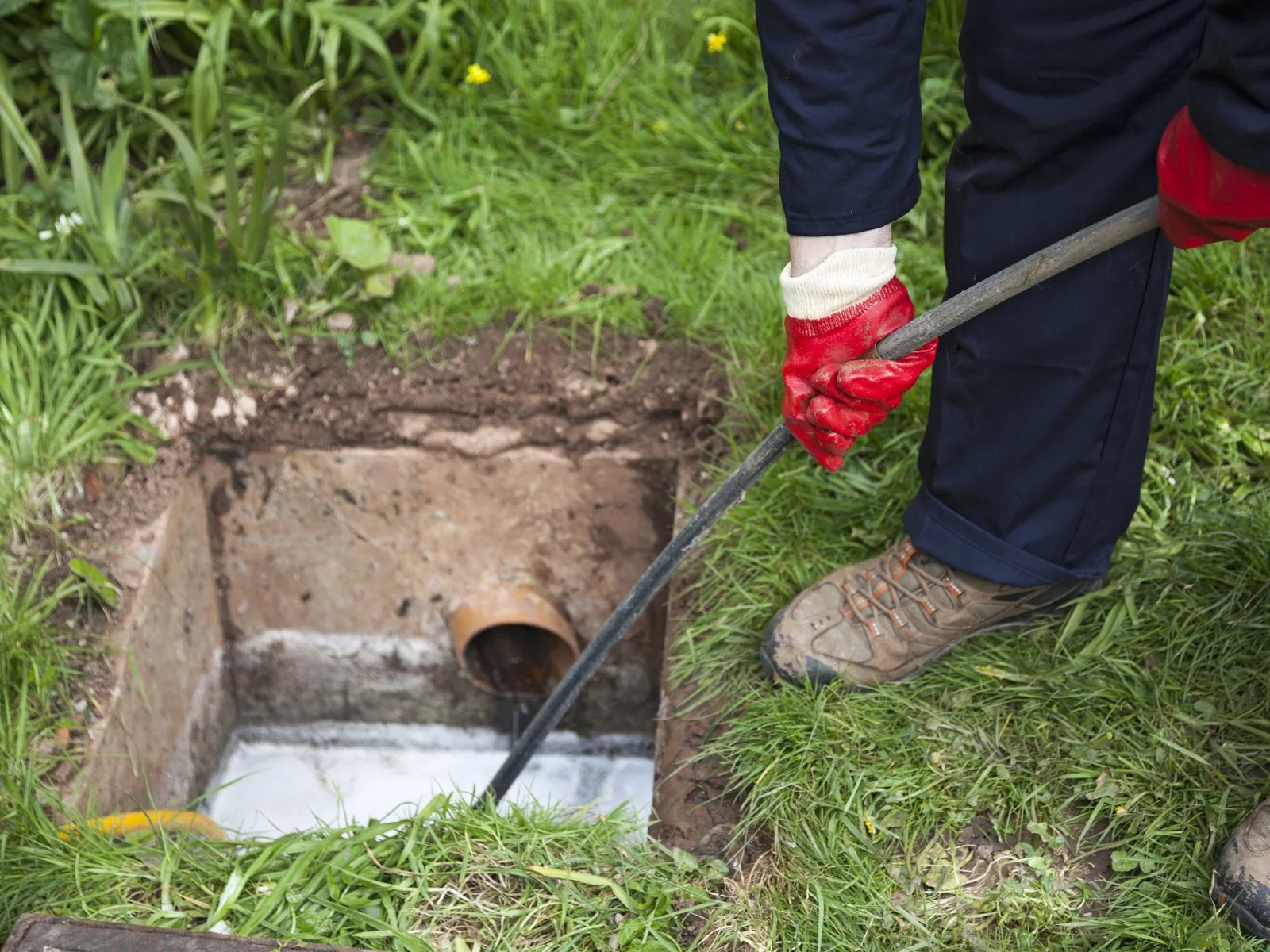
Drain Cleaning
Slow, gurgling or backed-up drains in kitchens, bathrooms and basements.
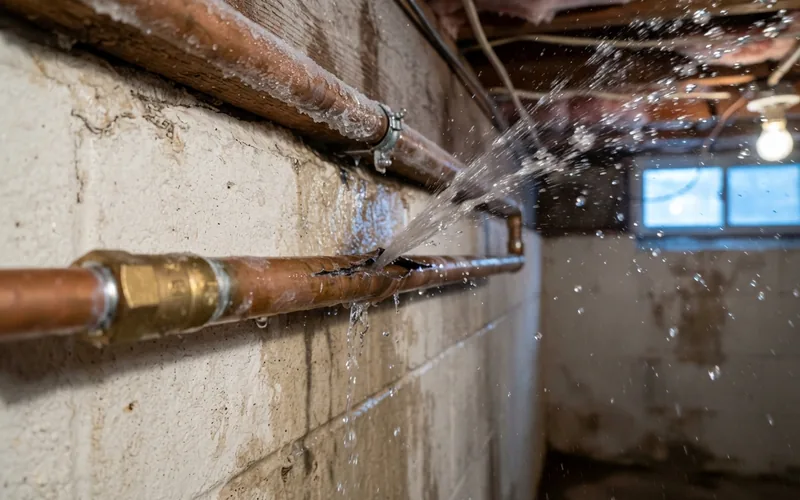
When a pipe splits, every minute counts. Shut off your main water valve and call us, any time of day or night. We find the break, repair it and help you keep it from happening again. Now with an office on Green Bay Road.
Do these three things first. They limit the damage while we're on the way.
Your main shutoff valve is usually near the water meter in the basement or a utility room. Turn it clockwise to stop water to the whole house.
If water is near outlets, appliances or your electrical panel, stay out of the water and turn off power to that area only if you can do it safely.
Our phone line is open nights, weekends and holidays. Tell us where the water is coming from and we'll take it from there.
A burst pipe isn't always water spraying across the basement. When a pipe splits inside a wall, a ceiling or under a floor, the signs are quieter: stains, bubbling paint, warped floors and a water bill that suddenly jumps. Here's where to look:
Seeing water come from a wall or ceiling? Shut off the main and call us 24/7, even if you're not sure it's a burst pipe.
A frozen pipe almost always gives you a warning before it bursts. As the water inside freezes, pressure builds until the pipe splits, and the leak usually shows up once it thaws. Watch for these signs during a cold snap:
A faucet that gives you nothing, or a thin trickle, on a very cold day usually means the pipe feeding it has frozen somewhere along the way.
Frost, ice or heavy condensation on pipes in a basement, crawl space or garage is a pipe on the edge of freezing solid.
A visible bulge or hairline split in an exposed pipe means the ice has already stretched it. It may hold until it thaws, then leak.
Think a pipe is frozen? Keep the faucet open, never thaw it with an open flame, and call us before it thaws and splits.
Lake County winters bring long stretches below freezing, and about 1 in 4 Highland Park homes was built before 1940. That combination is hard on pipes.
Pipes in exterior walls, crawl spaces, garages and outdoor spigot lines freeze first. Older homes often have plumbing in spots that weren't insulated the way they would be today.
A hose left connected in winter traps water in the spigot line, and that water freezes and splits the pipe inside the wall. It often isn't found until the spring thaw.
Galvanized steel and older copper lines are already thinner or corroded after decades of use, so a freeze is more likely to split them. If breaks keep happening, it may be time to talk about the pipes themselves.
When water is coming into your home, you need a plumber who picks up and explains what's going on.
We locate the split, including breaks hidden in walls and ceilings, with as little opening up as possible.
You get a flat-rate price for the repair before any work begins.
We'll point out other pipes at risk and what it takes to protect them, like insulation, rerouting or a freeze-resistant spigot.
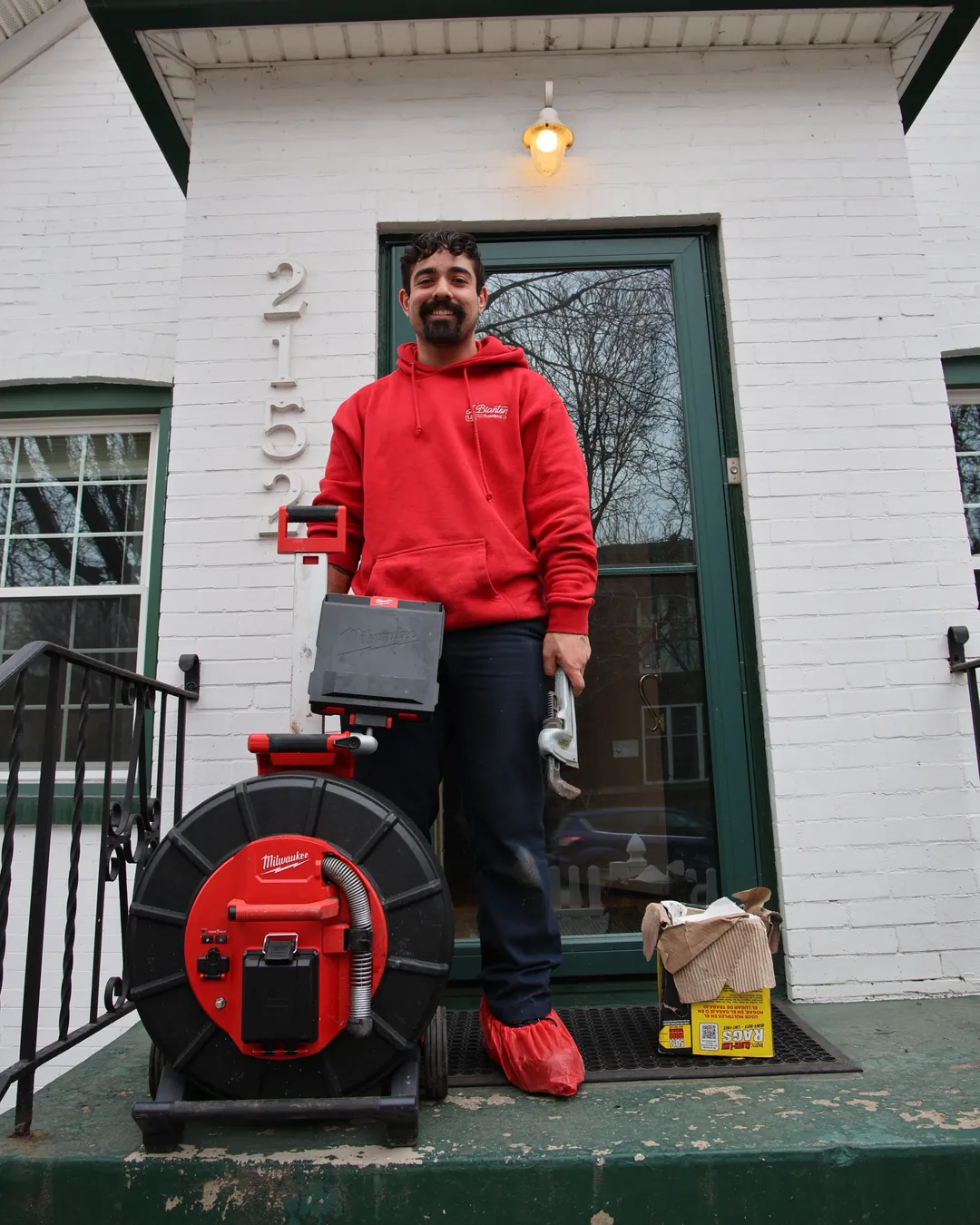
4.9 stars from 47 Google reviews for our Highland Park office.
"I appreciated that they wore foot coverings when in my house. I was panicked because I've previously had substantial water damage in my basement, so having my water spigot line burst and water pouring into my basement, caused a lot concern. Andrew calmly walked me through what he found, answered my questions, and addressed my fears. [...] Pricing was upfront and reasonable."
"Kyle did an excellent job. Beautiful work and he had to crawl in my uncomfortable crawlspace in cold weather, so I really appreciate him!"
"Matthew Imlah came, accessed the job and immediately got to work. Finished quickly but thoroughly. Gave suggestions on ways to fix the problem. Excellent work!!"
Disconnect hoses, keep the heat on, open sink cabinets on exterior walls and let a faucet drip.
Disconnect garden hoses and shut off and drain outdoor spigots in the fall. Keep the heat on, even when you're away. On the coldest nights, open cabinet doors under sinks on exterior walls and let a faucet drip. Insulating pipes in crawl spaces and garages helps too.
Keep the faucet open, never use an open flame, and call before it splits.
Keep the faucet open so water can flow once it thaws. Never use an open flame to thaw a pipe. If you can't find the frozen section, or it's inside a wall, call us before it splits.
Sudden bursts are often covered. Check your policy. We can document the cause.
A sudden, accidental pipe burst is often covered by a standard policy, while damage from a slow leak or lack of maintenance may not be. Check your policy or ask your insurer. We can document the cause of the break, which may support your claim.
It depends on the location and pipe. You get a flat-rate price before any work begins.
It depends on where the break is, how easy it is to reach, the pipe material and how much of the pipe needs replacing. We give you a flat-rate price before any work begins. Financing is available.
Annual Protection Plan
Most plumbing problems start small. The No Drip Club brings a J. Blanton plumber to your home for regular maintenance, so small issues get caught before they turn into big repairs.
Slow, gurgling or backed-up drains in kitchens, bathrooms and basements.
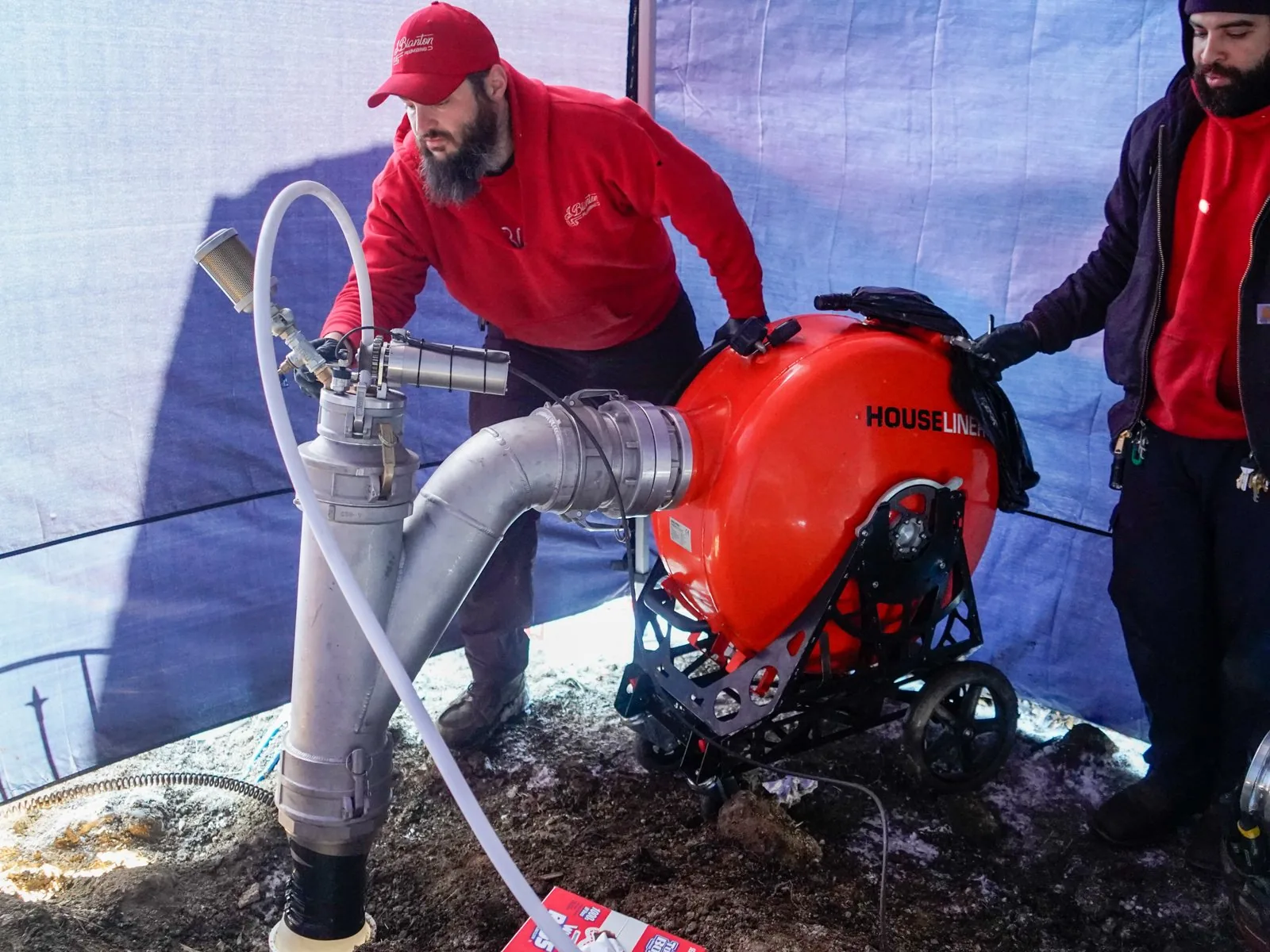
Tree roots, cracked clay pipe and repeat backups in the line from your house to the street.
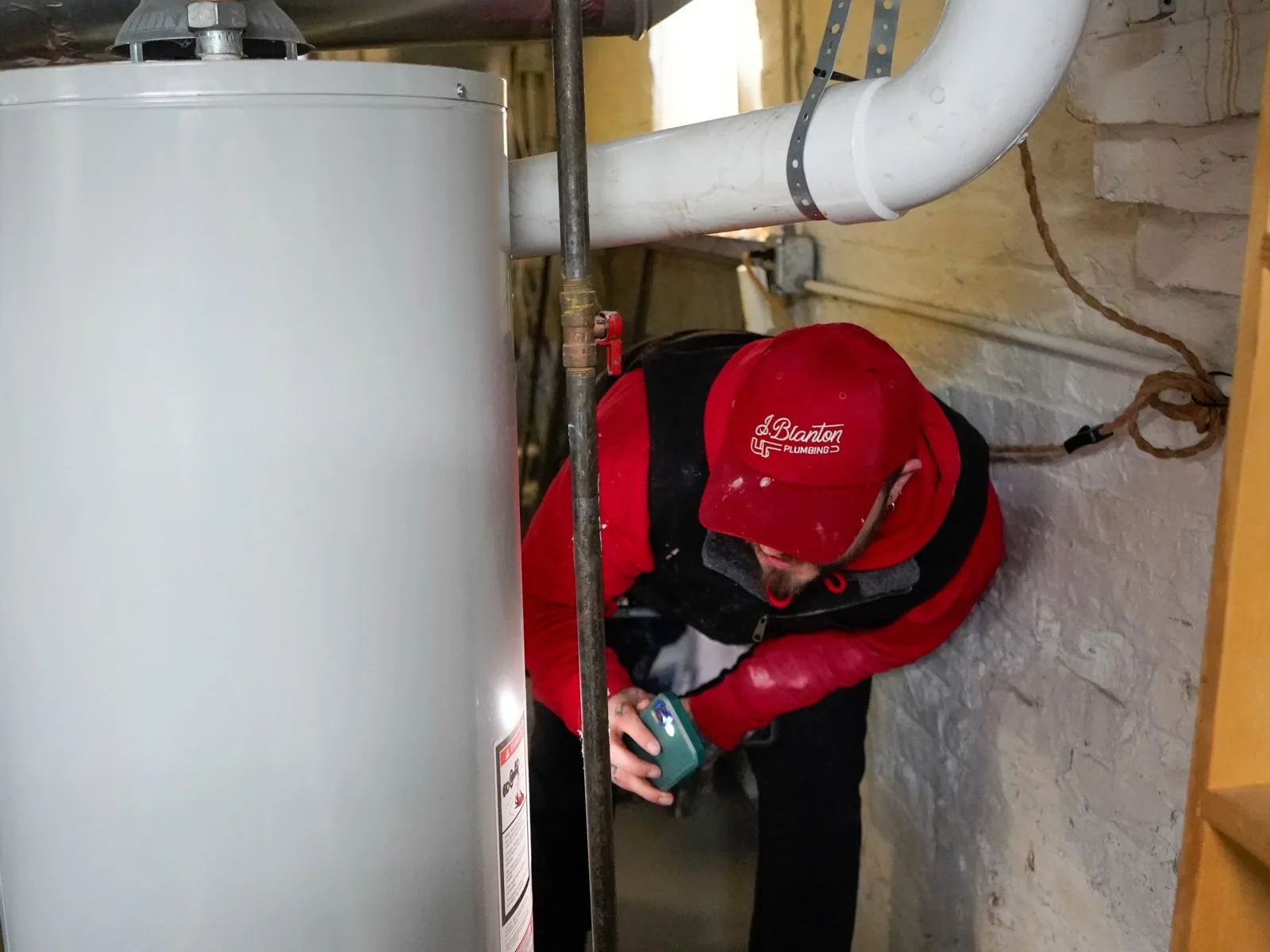
Repair and replacement for tank and tankless water heaters that leak, make noise or run out of hot water too fast.
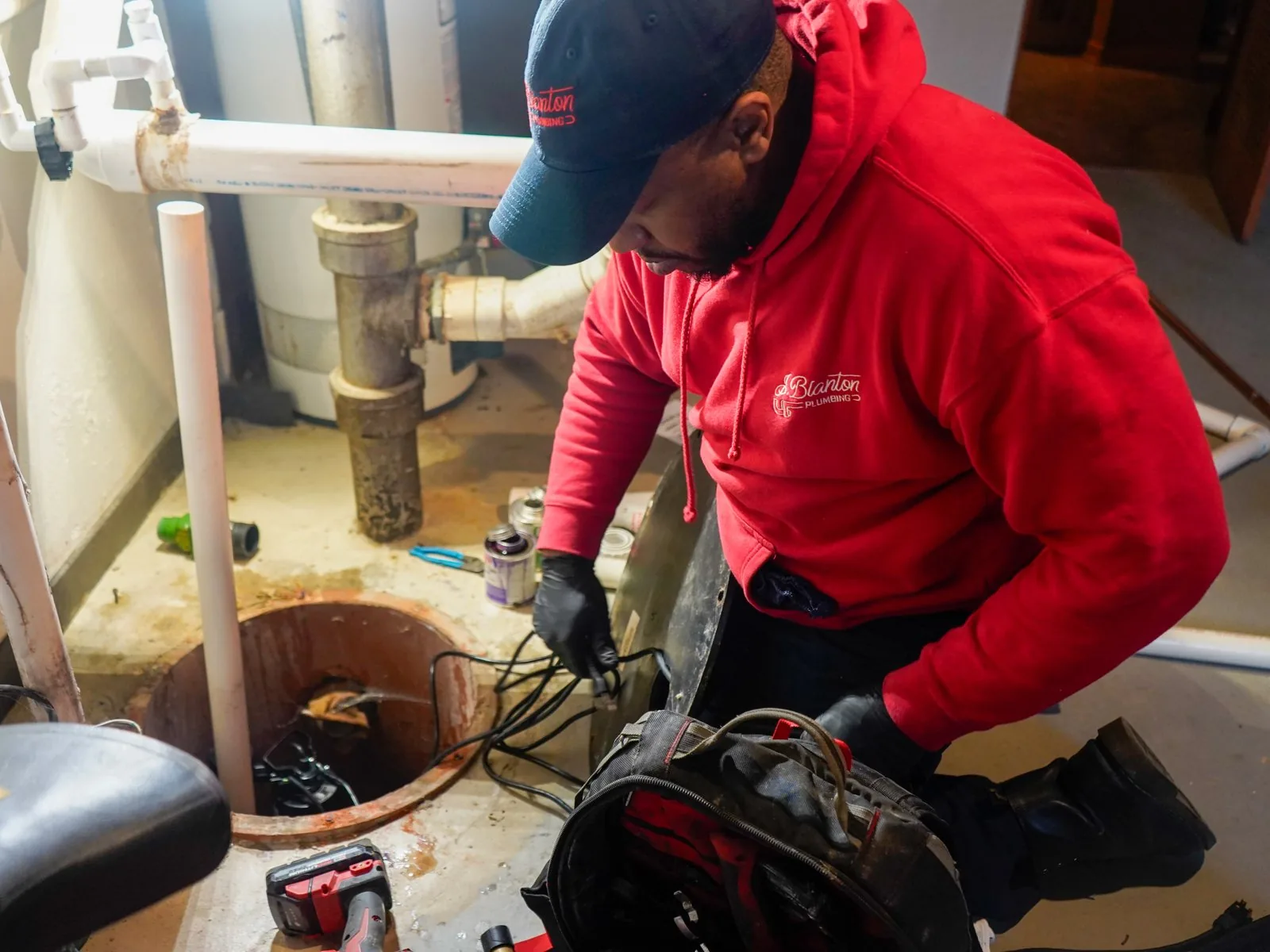
Sump pump repair, replacement and battery backups to keep your basement dry through heavy rain and snowmelt.
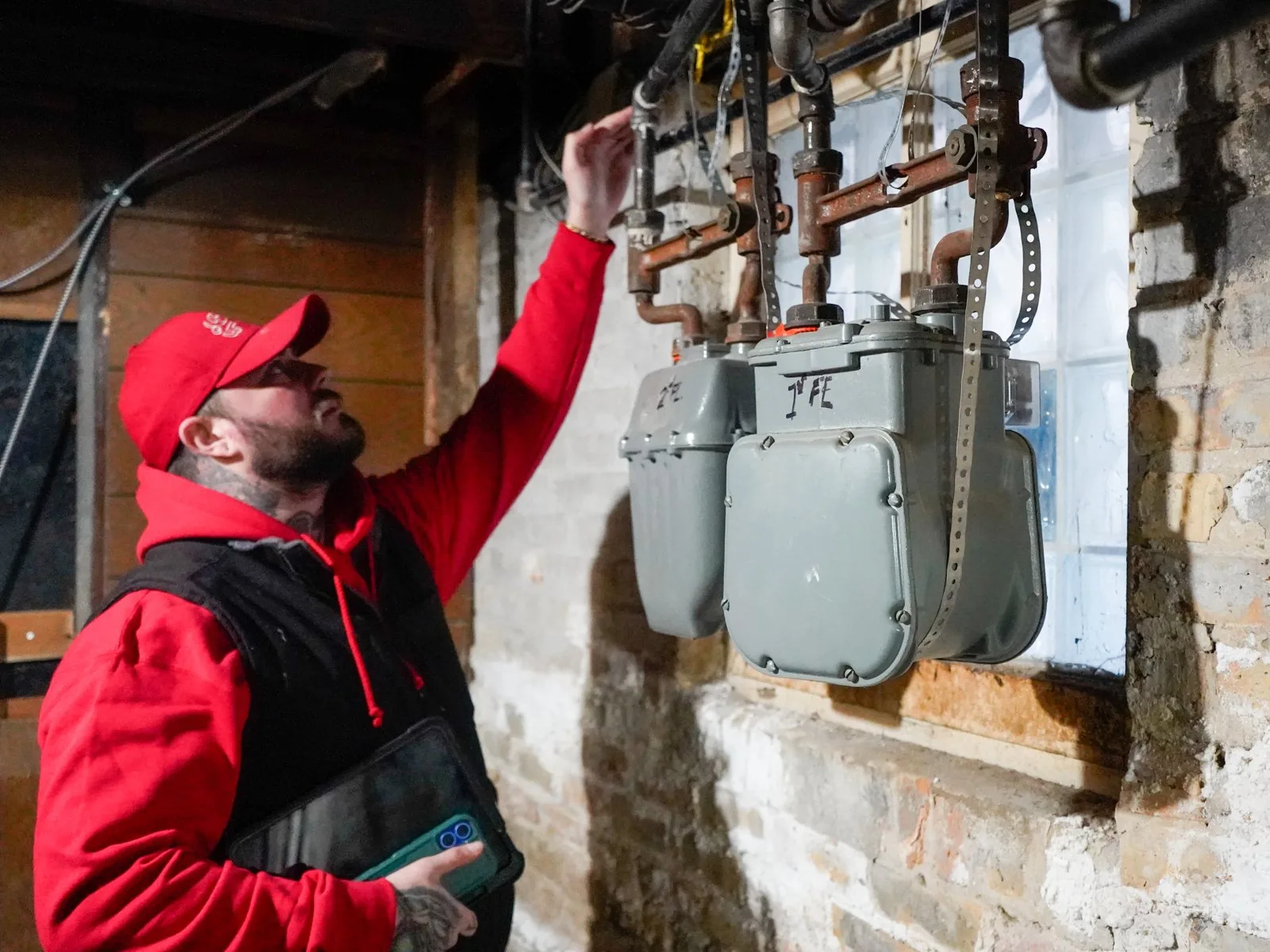
Gas line repair, leak detection and gas fireplace service.
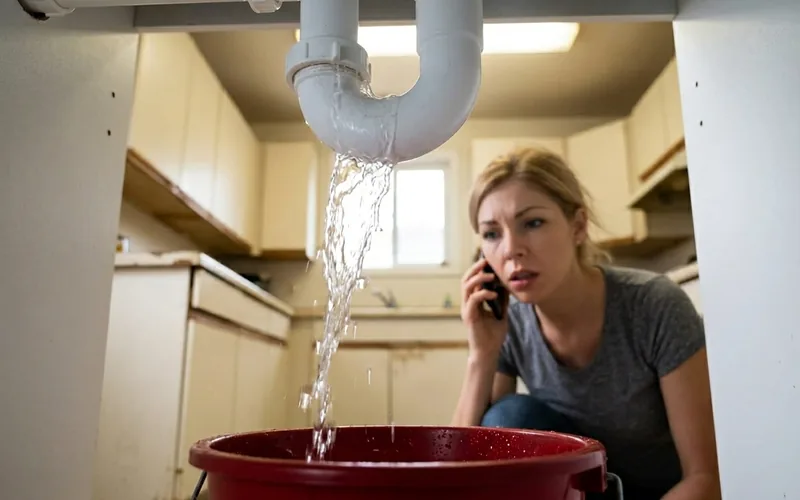
Burst pipes, sewer backups and no hot water, any time of day or night.
Our Highland Park office is at 1904 Green Bay Rd B, and our phone line is open 24/7.
We also serve Highwood, Fort Sheridan, Deerfield, Bannockburn, Riverwoods, Lake Forest, Lake Bluff, Glencoe and more.